
It's a fair question, especially when you're putting something under your skin. Are dermal fillers safe? The short answer is yes, when FDA-cleared products are used by a licensed provider who knows facial anatomy. But the longer answer is more useful. Safety with fillers isn't binary. It depends on the product, the person injecting it, and how your specific health history fits the treatment. This guide covers all of that in plain terms.
What does this article cover?
- What the FDA says about filler safety and approval
- Common side effects vs. rare but serious risks
- What separates a safe filler experience from a risky one
- Questions to ask before you book a filler appointment
Key takeaways
- FDA-cleared dermal fillers have a strong safety record when used correctly by a licensed provider.
- Most side effects are mild and temporary, such as bruising, swelling, and tenderness that resolve within days.
- Rare but serious complications almost always trace back to untrained injectors or non-approved products.
- Choosing a licensed, medically trained provider is the single most important safety decision you make
What does the FDA say about dermal filler safety?
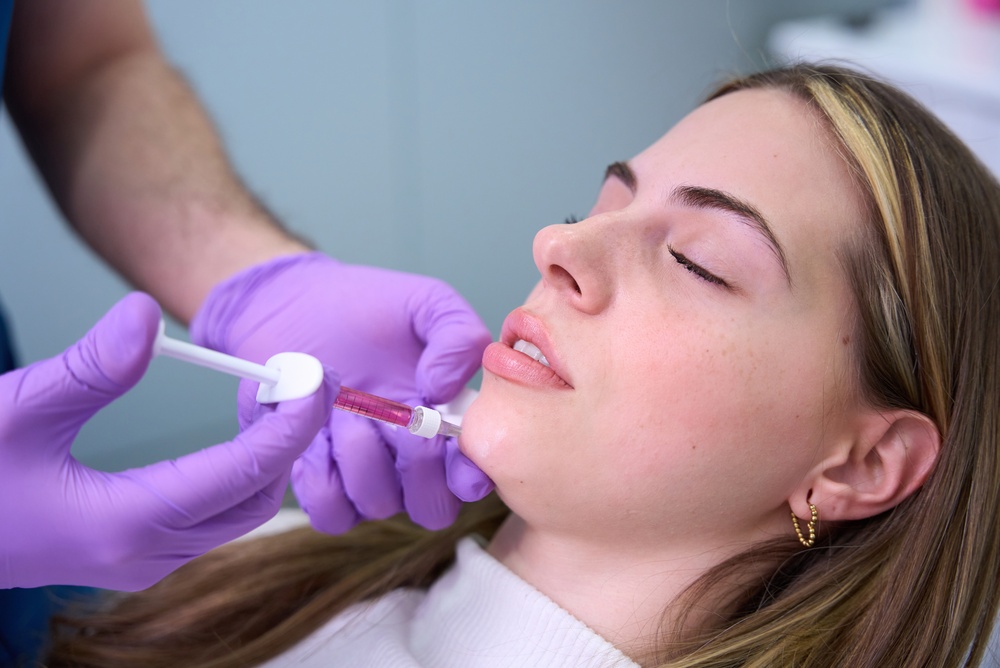
The FDA classifies dermal fillers as medical devices and reviews clinical study data before approving. Approved fillers go through controlled trials that evaluate safety and effectiveness for specific facial areas. The FDA also maintains that dermal fillers are prescription-use devices, meaning they should only be administered by a licensed health care provider. A practice that follows these standards, uses FDA-cleared, named products, and employs licensed injectors is operating within a well-regulated framework. That regulatory structure is part of why the safety record for approved HA fillers is as solid as it is.

What are the most common side effects of dermal fillers?
Most side effects are mild and short-lived. Bruising, swelling, redness, and tenderness at injection sites are the most commonly reported and most resolve within a few days to two weeks. Temporary firmness or lumps under the skin in the first days after treatment are also normal and usually soften on their own. These reactions occur regardless of the provider's skill level because they're the body's normal response to an injection. They're not a sign that something went wrong. They're just part of the healing process.
Common vs. rare filler side effects at a glance
What are the serious risks, and how common are they?
Serious complications are rare but real, and they deserve an honest mention. The most significant is vascular occlusion, which happens when filler is accidentally injected into or near a blood vessel, restricting blood flow to the surrounding tissue. In very rare cases, this can cause skin necrosis (tissue damage) or vision changes. A long-term review published on PubMed Central (NIH) found that delayed inflammatory reactions following FDA-cleared HA filler injection occurred in approximately 1.1% of cases across studies. These aren't reasons to avoid fillers. There are reasons to choose your provider carefully. A licensed injector with thorough anatomy training knows how to place filler safely, recognize warning signs, and respond if something does occur.
Expert tip: "Before any filler appointment, ask your provider two things: what product they're using by name, and what they keep on hand for vascular complications. A provider who has hyaluronidase available and knows how to use it takes safety seriously. That one question tells you a lot." -New Day Medspa providers. For further reading on FDA guidance for patients considering fillers, visit FDA: Dermal Fillers Do's and Don'ts.
What makes filler unsafe in most cases?
The vast majority of filler complications trace back to two things: unqualified injectors and non-FDA-cleared products. Online filler pens, at-home kits, and unlicensed injectors in non-clinical settings all pose significant risks because they operate outside the regulatory framework that ensures approved fillers are safe. The FDA has specifically warned against buying or using lip and facial fillers sold directly to the public, stating that these products may be contaminated and are not FDA-cleared. A legitimate medspa uses named, brand-name products from a verified medical distributor, and a licensed ARNP or PA performs every injection. At New Day Medspa in Jacksonville, FL, that's the baseline standard for every dermal filler treatment.
Are some filler types safer than others?
Hyaluronic acid (HA) fillers are the most widely used and have the strongest safety profile of the approved filler types. HA is a substance your body produces naturally, which makes allergic reactions uncommon. The biggest safety advantage of HA fillers is that they're reversible: if something goes wrong or you're unhappy with the result, hyaluronidase dissolves the filler quickly. Non-HA fillers like Radiesse (calcium hydroxylapatite) and Sculptra (poly-L-lactic acid) are also FDA-cleared and considered safe in the right contexts. They're not reversible, which is worth knowing before you choose them.
Who should not get dermal fillers?
Filler isn't right for everyone. The FDA notes that filler safety is not established for people under 22, those who are pregnant or breastfeeding, or those with a tendency toward excessive scarring (keloids). People with active skin infections, cysts, or rashes in the treatment area should wait until those conditions resolve. Anyone on blood thinners should discuss timing with their provider since these medications increase the risk significantly. A thorough consultation covers all of this before any product is chosen or scheduled.
Questions to ask a provider before getting fillers
Asking the right questions protects you more than any other step. Here are the ones worth raising at your consultation:
- What specific product will you use, and is it FDA-cleared?
- What is your license type, and how long have you been injecting fillers?
- Do you have hyaluronidase on hand in case of a vascular event?
- How many syringes do you estimate I'll need, and why?
- What should I watch for after treatment, and when should I contact you?
A provider who answers these clearly and without hesitation is someone who treats filler as a medical procedure, not a beauty service.
Dermal fillers are safe when you pick the right product and provider, and go into it with realistic expectations. If you're in Jacksonville, FL, and want a straight conversation about whether fillers are a fit for your goals and health history, New Day Medspa offers complimentary consultations with licensed ARNPs and PAs who give you the facts without the sales pitch.
About New Day Medspa
New Day Medspa is a medically guided aesthetic practice with locations in Jacksonville, FL. All injectable treatments are performed by licensed ARNPs and PAs with specialized training in facial anatomy and aesthetic medicine. Every patient receives a thorough consultation before any treatment is planned, including a full review of health history, medications, and candidacy for the specific product being considered.
Related articles
- Top 7 Benefits of Dermal Fillers You Should Know -A good starting point if you're still learning what dermal fillers are and how they work.
- How Long Do Lip Fillers Take to Heal? (Post Treatment Care) -Covers what to expect after your first appointment, including what's normal vs. what needs a follow-up call.
- Lip Fillers vs. Dermal Fillers: Which Is Right for You in Jacksonville? -Helps you understand the difference between treatment types before you commit to anything.




.svg)