
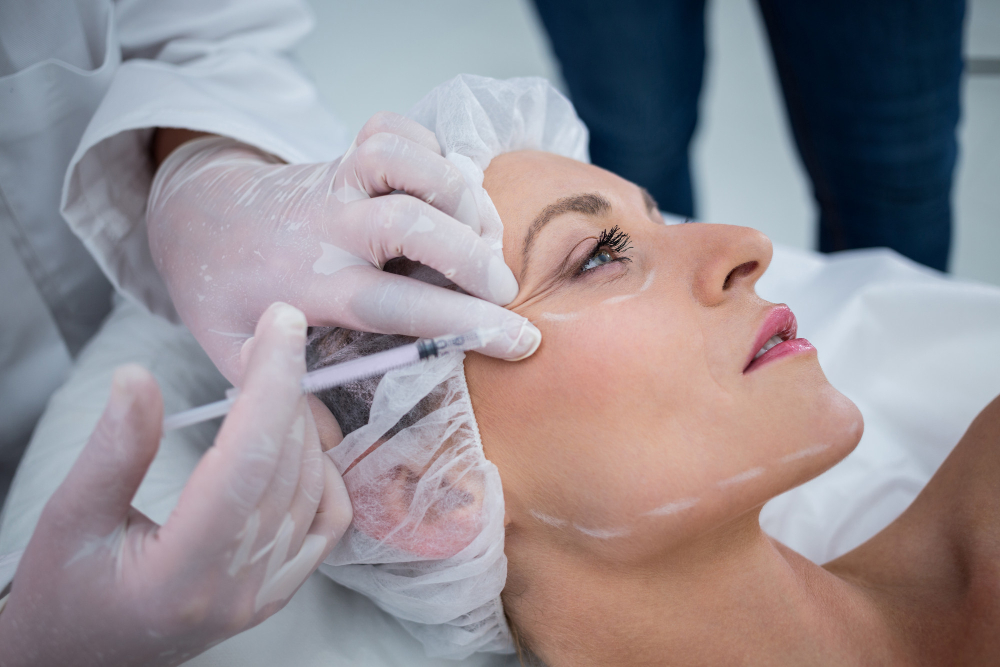
Patients in Jacksonville ask this question more than almost any other: What is the difference between Botox and filler, and which one do I actually need? Both are injectables. Both address signs of aging. But they work in completely different ways, treat different problems, and produce different results. Getting that distinction right before you book is the most useful thing you can do. This guide breaks it down in plain terms.
All botulinum toxin products carry an FDA Boxed Warning about the potential for toxin effects to spread beyond the injection site. At cosmetic doses, this is rare, but your provider will review this with you before treatment.
What does this article cover?
- How Botox and fillers work differently at a mechanical level
- Which wrinkle types and facial concerns does each treatment address
- A side-by-side comparison table of key differences
- How Jacksonville patients can determine which option suits their goals
Key takeaways
- The core difference in Botox and filler is function: Botox relaxes muscles that cause dynamic wrinkles, while filler adds volume to areas that have lost fullness or developed static lines.
- Botox treats movement-driven lines like forehead creases, crow's feet, and frown lines. Filler treats volume loss in the cheeks, lips, jawline, and under-eye area.
- Neither is universally better. The right choice depends on what your specific concern actually is.
- Many patients benefit from both in the same appointment, targeting different problems with the right tool for each.
How does Botox work?
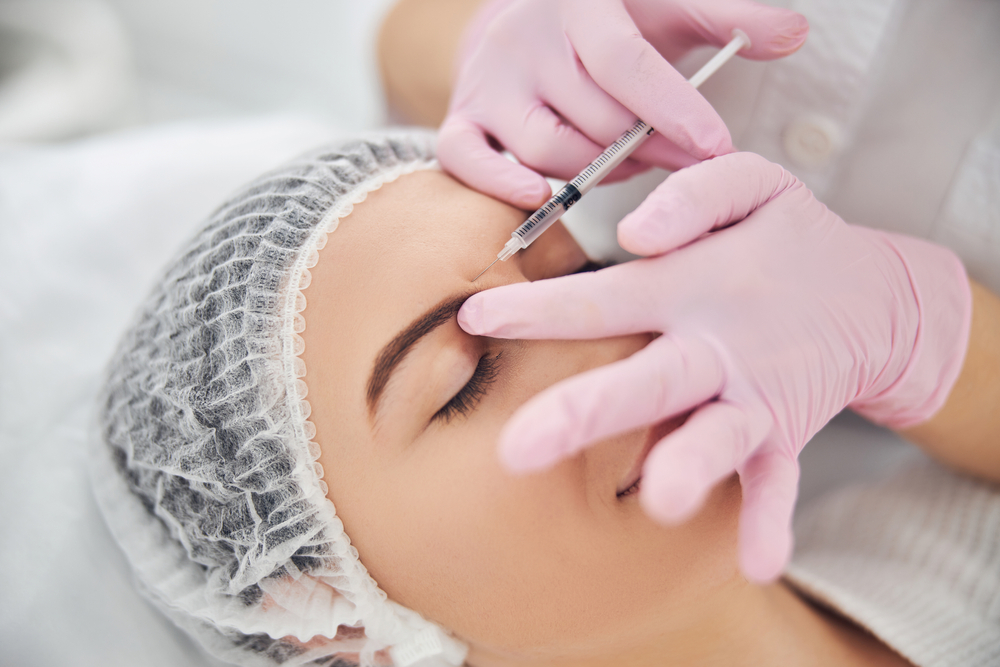
Botox is a neuromodulator. It works by temporarily blocking the nerve signals that tell a facial muscle to contract. When the muscle relaxes, the overlying skin smooths out, and the line softens.
Botox targets dynamic wrinkles. These are lines that form from repeated muscle movement: squinting, raising your brows, and frowning. They first appear during expressions, then gradually remain visible at rest as the skin loses elasticity over time.
Common Botox treatment areas include:
- Forehead horizontal lines
- Glabella (the 11 lines between the brows)
- Crow's feet at the outer eye corners
- Bunny lines on the nose
- Chin dimpling
- Neck bands (platysmal bands)
Botox results develop over 3 to 7 days and peak at around 14 days. Effects last approximately 3 to 4 months before the muscle gradually regains normal movement.

How does filler work?
Dermal filler is a gel-like substance, most commonly made from hyaluronic acid, that gets injected beneath the skin to restore volume, smooth deeper folds, and add structure to facial contours.
Filler addresses volume loss and static lines. Static lines are visible even when your face is completely at rest. They form as fat pads shift, bone density decreases, and collagen breaks down with age. No amount of muscle relaxation corrects a hollow cheek or a deflated lip because those concerns are structural, not movement-driven.
Common filler treatment areas include:
- Lips (volume and definition)
- Cheeks (volume restoration and lift)
- Nasolabial folds (smile lines)
- Under-eye hollow (tear trough)
- Jawline and chin (structure and projection)
- Temples (volume replacement)
Filler results are immediate. They last 6 to 18 months, depending on the product used and the treatment area.

Botox vs. filler: side-by-side comparison
According to the American Society of Plastic Surgeons, there were approximately 7.4 million Botox injections and 2.6 million dermal filler injections performed in the United States in 2018, reflecting that both treatments serve distinct patient goals. (American Society of Plastic Surgeons)
Expert tip: "One of the most common booking mistakes is choosing based on price or familiarity rather than what the skin actually needs. A thin lip or hollow cheek will not respond to Botox. A forehead crease from years of expression will not fill away with filler alone. Before deciding on anything, have a provider assess your face at rest and in motion. That five-minute assessment changes the whole conversation."
Not sure whether Botox, filler, or both fit your situation in Jacksonville? Book a complimentary consultation at New Day Medspa, where licensed ARNPs and PAs assess your specific concerns and goals before making any recommendations.
What happens when you need both?
Some facial concerns call for Botox. Some call for filler. A lot calls for both, and that combination is one of the most effective approaches in aesthetic practice.
A good example is the nasolabial fold area. The fold itself forms partly from volume loss in the mid-face and partly from the downward pull of certain facial muscles. Filler restores the volume. Botox can address the muscle contribution. Using both together often produces a more balanced result than either treatment alone.
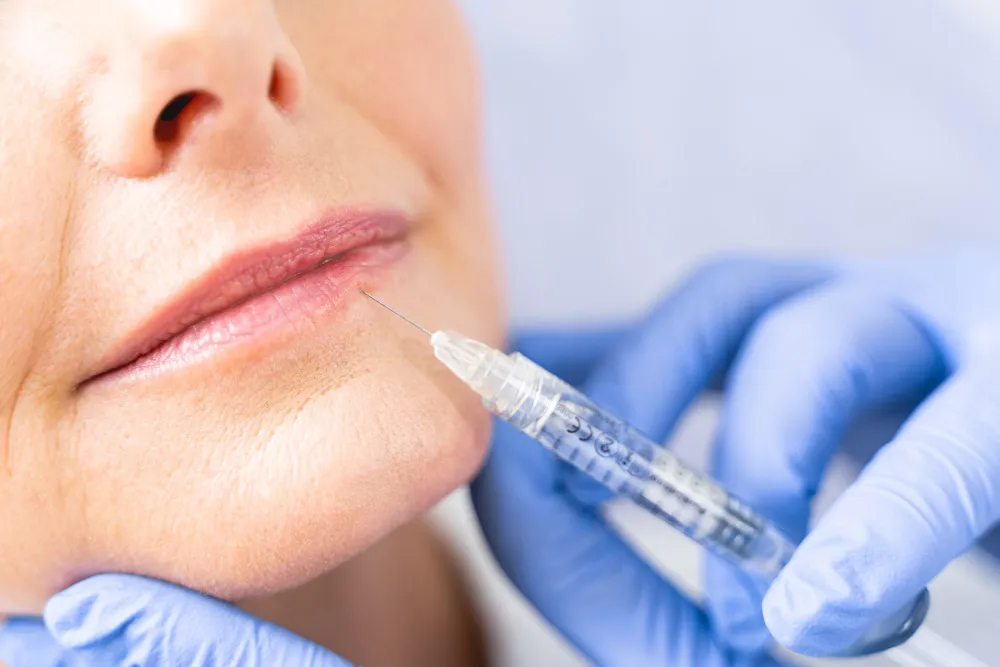
The same applies to the lip area. Filler adds volume and defines shape. Botox in the upper lip area relaxes the muscle that causes vertical lip lines. Neither treatment fully addresses what the other is designed for.
What does the difference in Botox and fillers mean for your face?
The clearest way to think about the difference in Botox and fillers is this: Botox changes how your muscles move, fillers change what sits beneath your skin.
If your main concern is a crease that appears when you squint or frown, Botox is the appropriate tool. If your main concern is a hollow, a deflated area, or a fold that stays there whether you are making an expression or not, filler is the appropriate tool.
A provider who understands both will look at your face in motion and at rest before recommending either. That assessment is not a formality. It is what separates a useful treatment from one that produces the wrong result for the right concern.
Treatment by area: which tool fits which problem?
About New Day Medspa
New Day Medspa is a medically guided aesthetic practice in Jacksonville. All Botox and dermal filler treatments are performed by licensed ARNPs and PAs who assess your facial concerns at rest and in movement before making any treatment recommendation. Every new patient receives a complimentary consultation, so the plan is built around what your face actually needs.
Suggested articles
- What are dermal fillers? A beginner's guide to facial fillers covers filler types, treatment areas, and what to expect, making it the natural next read after understanding the difference between Botox and fillers.
- Lip fillers vs. dermal fillers: what's the difference? narrows the comparison to the lip area specifically, which is one of the most common combination treatment zones.
- What is Botox? A plain-language guide to wrinkle relaxers provides a deeper foundation in how Botox works, complementing filler-focused content for patients still researching both options.







.svg)