

It's a fair question, and one worth taking seriously. Is Botox bad for you? The honest answer is: it depends almost entirely on who's doing it and how. Botox has one of the longest clinical track records of any injectable treatment in medicine, and its safety profile at cosmetic doses is well-documented. But that doesn't mean every Botox experience is a good one. The downsides are real. They're also almost always preventable. This guide explains what can go wrong, why it happens, and what the right approach looks like.
What does this article cover?
- What Botox is and how it works at a basic level
- The real side effects of Botox and how often they actually occur
- What causes most Botox problems (and who's responsible)
- How to protect yourself and get a safe, predictable result
Key takeaways
- Botox is FDA-approved for cosmetic use and has a strong safety record at labeled doses.
- Most side effects are mild and temporary; serious complications are rare and usually trace back to provider error.
- Is Botox bad for you? Not when it's administered correctly by a licensed provider using an approved product
- Choosing a licensed ARNP or PA with facial anatomy training is the single most protective step you can take
What is Botox, and how does it work?
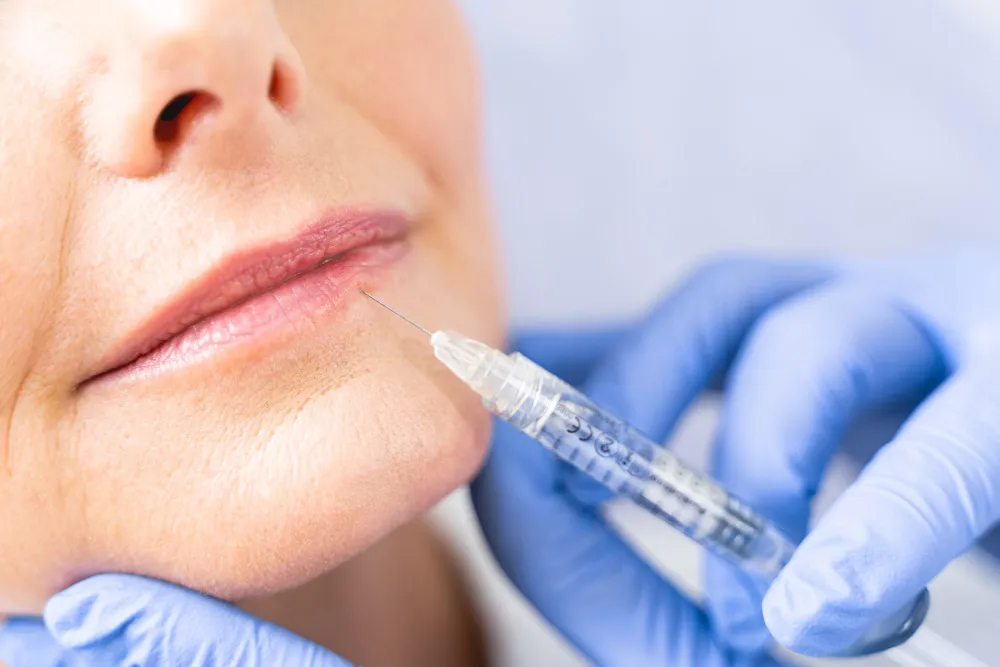
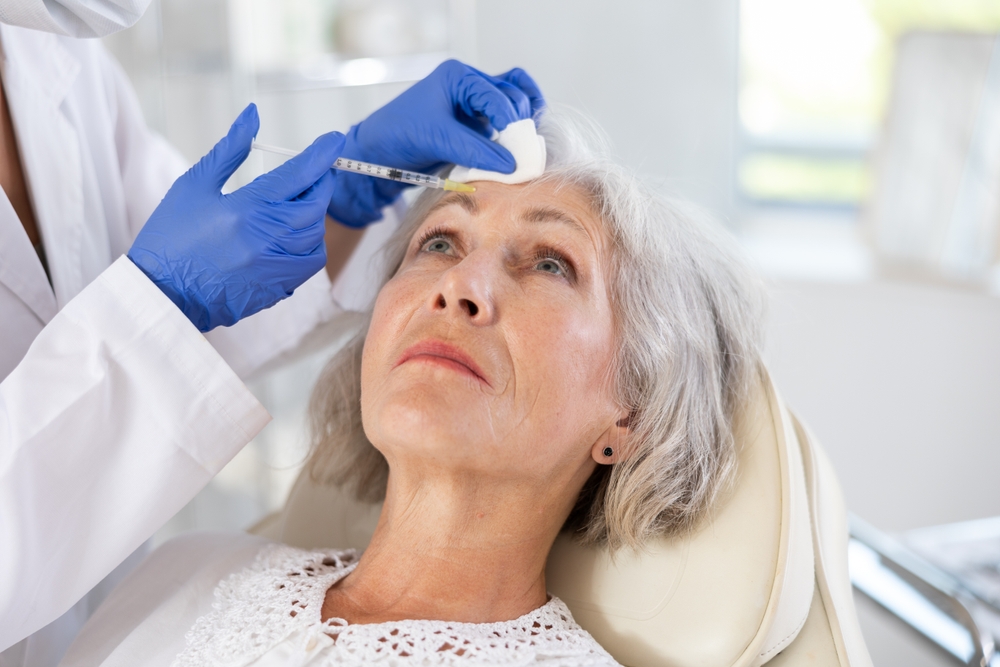
Botox is the brand name for onabotulinumtoxinA, a purified form of botulinum toxin type A. It works by blocking the nerve signal that tells a muscle to contract. When the muscle can't contract fully, the overlying skin relaxes, and expression lines soften. The FDA has approved Botox Cosmetic for four cosmetic indications: forehead lines, glabellar lines (the "11s"), crow's feet, and neck bands. It's been in clinical use for cosmetic purposes since 2002, and extensive data on its safety profile at standard cosmetic doses are available.
At the doses used for cosmetic treatment (typically 20 to 60 units per session), botulinum toxin stays localised to the injection site and does not circulate systemically in meaningful amounts. This is a key distinction from the botulism poisoning most people associate with the word "botulinum."

Is Botox bad for you? What the research actually shows
The short answer is no, not at cosmetic doses administered by a licensed provider. A systematic review published in PubMed, analyzing 8,787 subjects across 35 studies, found that treatment-related adverse events from botulinum toxin A included brow ptosis (3.1%), blepharoptosis (2.5%), and upper-face sensory disorders (3%) in the upper face. All adverse events in the review resolved spontaneously. A separate study reported adverse events found that serious adverse events were significantly more common in therapeutic use than cosmetic use, and that many adverse events in cosmetic cases were linked to departures from FDA-approved recommendations: improper dose, dilution, injection site, or storage.
Source: Safety of botulinum toxin A in aesthetic treatments, PubMed/NIH
The research consistently points to the same conclusion: when Botox is used at the right dose, in the right place, by a provider who knows what they're doing, the risk profile is low.
Warning: All botulinum toxin products carry an FDA Boxed Warning about the potential for toxin effects to spread beyond the injection site. At cosmetic doses this is rare, but your provider will review this with you before treatment.
What are the real side effects of Botox?
Side effects fall into two categories: common and expected, and rare but serious. Knowing the difference matters.
Common side effects (usually mild and temporary):
- Bruising and redness at injection sites
- Swelling or tenderness for 1 to 3 days
- Mild headache on the day of treatment
- Temporary firmness at injection points
Less common side effects (linked to placement and dose):
- Brow heaviness or drooping (ptosis) from improper placement near the brow
- Eyelid drooping (blepharoptosis) from migration near the upper eyelid
- Asymmetry of the product spreads unevenly, or the dose isn't balanced between sides
Rare side effects:
- Flu-like symptoms in the first few days after treatment
- Dry eyes or excessive tearing, particularly after treatments near the eye area
- Resistance to Botox over time (rare and more common with very frequent treatments at high doses)
The critical thing to understand is that most of the less common and rare side effects are provider- and technique-related issues, not inherent product problems. The product doesn't cause brow ptosis on its own. Injecting too close to the brow without assessing the patient's anatomy causes brow ptosis.
Expert tip: "Ask your provider directly: what will you do if I develop brow or eyelid heaviness? A provider who has a clear answer - and can explain the underlying anatomy - is someone who has thought through complications before they happen. If they look surprised by the question, that tells you something." - New Day Medspa providers. For further reading on botulinum toxin safety and adverse event data, visit Botulinum Toxin, StatPearls, NCBI Bookshelf.
Is Botox bad for you when used long-term?
This is where people are most uncertain, and it deserves a direct answer. There is no current clinical evidence showing that long-term cosmetic Botox use at standard doses causes lasting harm. Over time, repeated muscle relaxation can lead to mild muscle atrophy (a decrease in muscle activity). This is actually a benefit: it means the lines soften further between treatments, and smaller maintenance doses are needed over time. Some patients develop partial resistance to a specific botulinum toxin formulation, though this is rare and switching to a different brand typically resolves it.
What is not supported by current evidence:
- Permanent muscle damage from cosmetic Botox use
- Spread to distant organs at cosmetic doses
- Neurotoxic effects from standard cosmetic treatment
What actually makes Botox risky?
This is the most important section of this guide. Botox becomes a problem in specific, preventable circumstances:
- Unqualified injectors. Anyone without a medical license performing Botox is operating illegally in Florida and presents a real safety risk.
- Non-approved products. Counterfeit or unregulated botulinum toxin sold online or used in non-clinical settings does not carry the same safety profile as an FDA-approved product.
- Incorrect dosing. Too many units in the wrong location can cause to develop problems that lead to ptosis, asymmetry, and a frozen-looking result.
- causation. Skipping the pre-treatment assessment means the provider doesn't assess our anatomy, muscle strength, or medical history before injecting.
- Ignoring contraindications. Botox is not appropriate for people who are pregnant or have certain neuromuscular conditions. A proper medical history screen catches this.
At New Day Medspa in Jacksonville, FL, every Botox treatment starts with a complimentary consultation where a licensed ARNP or PA reviews your health history, assesses your facial anatomy, and recommends a specific dose and placement plan before any product is used.
Want to talk through your specific concerns before committing to treatment? Book a complimentary consultation at New Day Medspa in Jacksonville, FL. Licensed ARNPs and PAs will give you a clear, honest picture of what to expect and what to avoid.
Who should not get Botox?
Not everyone is a good candidate, and a thorough provider will screen for this upfront.
Botox is not recommended for:
- People who are pregnant.
- Anyone with a known allergy to botulinum toxin or albumin.
- People with neuromuscular conditions such as ALS, myasthenia gravis, or Lambert-Eaton syndrome.
- Anyone with an active skin infection or inflammation in the treatment area.
- People taking certain antibiotics (aminoglycosides) or muscle relaxants may experience a potentiation of the toxin's effects.
If you take blood thinners, anti-inflammatory medications, or certain supplements (fish oil, vitamin E, aspirin), your provider will ask you to hold them before your appointment to reduce the risk of bruising.
About New Day Medspa
New Day Medspa is a medically guided aesthetic practice with locations in Jacksonville, FL. Licensed ARNPs and PAs perform all Botox and wrinkle-relaxer treatments with specialized training in wrinkle-relaxer anatomy and injectable techniques. Every patient receives a specialized consultation that includes a full review of medications and techniques, as well as an anatomy assessment, before any treatment is planned.
Related articles
- Botox Injections in Jacksonville, FL: Cost, Results, and Safety Tips - A practical breakdown of what the treatment involves, what it costs, and what to look for in a qualified Jacksonville provider.
- Best Botox in Jacksonville, FL: Where to Get It and What to Expect - Covers what separates a well-run Botox practice from a risky one, with specific things to check before you book.
- Can You Work Out After Botox? What Experts Recommend - Aftercare guidance for active patients, including which activities to hold and for how long after your appointment.





.svg)