
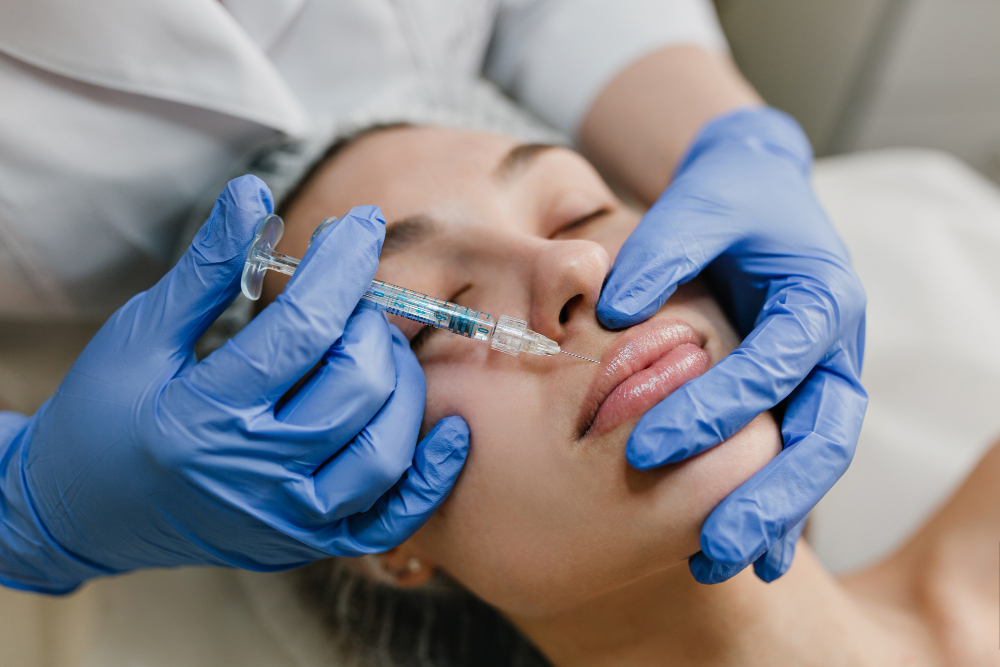
Fuller lips have become one of the most requested cosmetic enhancements in the U.S., but before booking an appointment, most people ask the same question: Are lip fillers permanent? It’s a fair concern. After all, your lips are one of the most noticeable features on your face — and no one wants to make a decision they might regret long-term.
With so much information online, it can be confusing to understand what’s true and what’s not. Some people worry that fillers will last forever. Others fear their lips will look worse once the product wears off. The reality is much simpler — and far more reassuring.
If you’re considering lip injections, it’s important to know exactly how they work, how long they last, and whether “permanent” lip fillers are even a safe option. Let’s clear up the confusion so you can make the right choice with confidence.
Are Lip Fillers Permanent?
No, lip fillers are not permanent. Hyaluronic acid (HA) is the main ingredient in most modern lip injections. Your body makes HA naturally to keep skin moist and full. These fillers are meant to be temporary, so you can make your lips look better without having to make a permanent change.
Results usually last between 6 and 12 months, but this can change depending on the type of filler used, your metabolism, and how quickly your body breaks it down. Your lips move all the time when you talk, smile, and eat, which makes them break down filler faster than other parts of your face.
As the filler gradually dissolves, your lips slowly return to their natural shape and size. There's no sudden deflation, and you won't look worse than you did before. The change happens subtly, almost the same way it came on.
Permanent lip fillers do exist, but they're far less common and carry significantly higher risks. Most providers stick to temporary options for good reason — they're safer, adjustable, and can be dissolved if something doesn't go as planned.
What are the Different Types of Lip Fillers Made of?
Knowing what lip fillers are made of can make you feel better about getting them. Fillers are not all the same. The ingredients in them affect how long they last, how they feel, and how safe they are. Most good providers now use temporary, body-safe materials that are made to look natural and be safe.
1. Hyaluronic Acid (HA) Fillers: The Most Popular Choice in the U.S.
Hyaluronic acid (HA) fillers are made from a man-made version of hyaluronic acid, which is found naturally in the skin and connective tissues. HA binds to water, which makes the lips look plump, soft, and full of moisture.
Hyaluronic acid is made into a smooth gel and cross-linked to control how long it stays in the body. This is how fillers work. HA is one of the safest and most reliable materials for lip enhancement because it is biocompatible and breaks down naturally over time.
2. Semi-Permanent Fillers
Calcium hydroxylapatite (CaHA) or poly-L-lactic acid (PLLA) are two common materials used to make semi-permanent fillers. Calcium hydroxylapatite is made up of tiny calcium-based microspheres that are held in a gel carrier.
Poly-L-lactic acid is a synthetic material that breaks down over time and helps the body make collagen. These materials don't just fill space; they also help the body make its own collagen over time. They don't get used on the lips very often because they are thicker and less flexible, but they can give results that last longer.
3. Permanent Lip Fillers
Most of the time, permanent lip fillers are made of medical-grade silicone or polymethylmethacrylate (PMMA) microspheres. Silicone is a man-made substance that stays in the body forever.
PMMA, on the other hand, is made up of tiny plastic microspheres that are suspended in a collagen gel. These materials don't get absorbed by the body, so they give you volume that lasts a long time or even forever. But because they are permanent, they also make complications more likely, like migration, nodules, or trouble fixing bad results.
Temporary vs Permanent Lip Fillers: Which Is Right for You?
If you’re trying to decide between temporary and permanent lip fillers, it really comes down to how much flexibility you want. Most people choose temporary fillers — especially hyaluronic acid fillers — because they give you beautiful, natural-looking volume without locking you into a lifelong decision.
Usually, these fillers last between 6 and 12 months and then slowly break down on their own. You can keep your results if you like them. It's also easy to make a small change next time. And if you change your mind for any reason, you can even dissolve hyaluronic acid fillers.
Permanent lip fillers might sound good because they promise results that last a long time. But being permanent also means that there is less room for change. Over time, your face, tastes, and trends change. It can be hard to fix permanent filler if the placement isn't perfect or your aesthetic goals change. Sometimes, more invasive procedures are needed.
Most people find that temporary fillers are the safest, most controllable, and most customizable option. You can confidently enhance your lips with them because you know you can change them later if you want to.
What to Expect Before and After Lip Fillers
Understanding what happens before, during, and after lip fillers helps you feel confident and prepared for your treatment. Here’s a simple breakdown of what you can expect at every stage of the process.
Before Your Appointment
Before you get lip fillers, you'll have a consultation to talk about what you want, like more volume, better symmetry, or a more subtle look. Your doctor will look over your medical history, medications, and any treatments you've had in the past to make sure you're a good candidate.
A personalized treatment plan will be made for you based on the shape of your lips and the proportions of your face. This will give you results that look natural and balanced.
During the Treatment
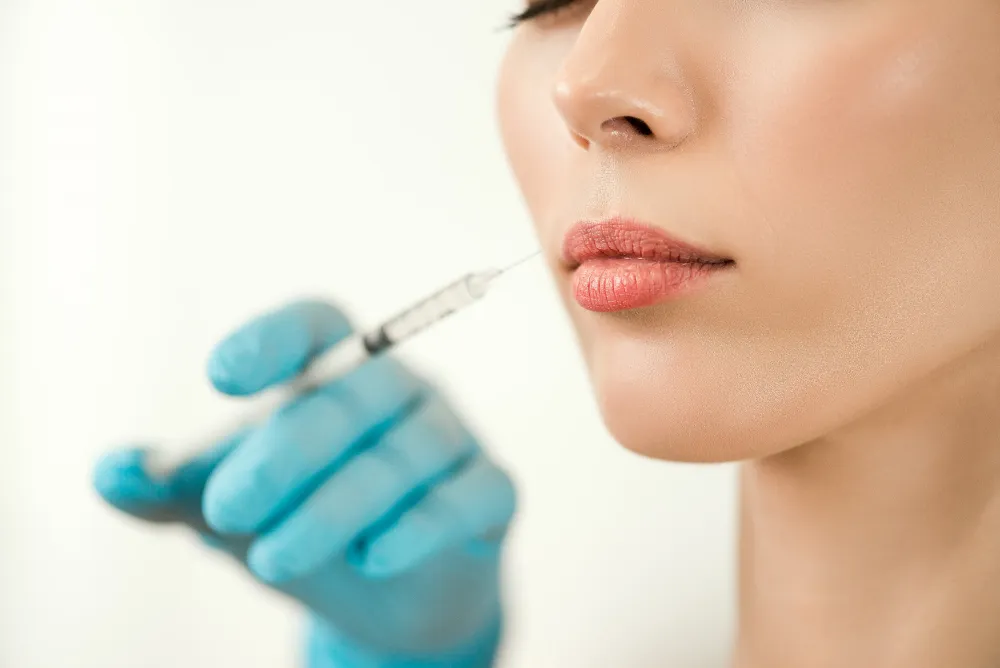
The process usually takes between 30 and 45 minutes. Before the procedure, a numbing cream is put on the skin. Most fillers have lidocaine in them to help you feel better.
A small amount of filler is carefully injected to improve the shape and volume while keeping the soft, natural feel. There isn't much downtime because it's not very invasive, and most people can go back to their normal activities the same day.
Aftercare & Recovery
After treatment, it's normal to have some swelling, tenderness, or bruising. The swelling is visible in the first 24 to 48 hours and gets better in a few days. It is advised to avoid heavy exercise and direct exposure to hot environments, not touch the treated area, and apply a gentle cleansing face wash and ice packs to reduce discomfort
Most small bruises go away in a week. You can see the volume right away, but the best results are usually seen after the swelling goes down, which takes about 7 to 14 days.
Advantages and Risks of Lip Filler Treatment
Lip filler treatments offer beautiful, non-surgical enhancement, but it’s important to understand both the benefits and potential risks before deciding. Knowing what to expect helps you make a safe and confident choice.
Advantages of Lip Fillers
1. Immediate Results: Lip fillers add noticeable, natural-looking volume right after treatment without the need for surgery.
2. Quick Procedure: The treatment typically takes less than an hour and requires little to no downtime.
3. Custom Enhancement: Results can be tailored to improve lip shape, symmetry, and overall definition based on your goals.
4. Flexible Maintenance: Temporary fillers allow you to adjust, maintain, or refine your look over time.
5. Reversible Option: Hyaluronic acid fillers can be safely dissolved if needed, offering added peace of mind.
Risks of Lip Fillers
1. Temporary Swelling: Mild swelling, redness, and tenderness are common and usually resolve within a few days.
2. Minor Bruising: Some bruising may occur at injection sites, but it typically fades quickly.
3. Uneven Texture: Small lumps or uneven results can develop if filler is not placed properly.
4. Filler Migration: In rare cases, filler may shift from the injection area, especially if the technique is poor.
5. Rare Complications: Serious issues such as infection or vascular problems are uncommon but possible without a qualified provider.
We at New Day Medspa have a team of board-certified experts to make sure that each treatment is performed by an experienced injector to help you achieve the best and most natural-looking results.
What Questions Should You Ask Before Getting Lip Fillers?
Before getting lip fillers, it’s important to have an open conversation with your provider so you fully understand the treatment. You can ask the following questions to ensure you feel confident, informed, and comfortable before moving forward.
1. How much experience do you have performing lip filler treatments?
2. Which type of filler do you use for lips, and why do you recommend it?
3. How many syringes will I likely need to achieve my desired look?
4. How often will I need touch-ups to maintain my results?
5. What aftercare instructions should I follow for the best outcome?
6. What are the potential risks or complications in my specific case?
Now that you understand how lip fillers work and whether they’re permanent, advantages and risks, the next step is choosing the right provider.
Lip Filler Treatments at New Day Medspa
Choosing the right provider matters just as much as choosing the right filler. Lip enhancement takes precision, an eye for facial balance, and a genuine understanding of what looks natural — not overdone.
At New Day Medspa, we start every treatment with a complimentary consultation to understand your goals and create a plan built around your requirements. We use only FDA-approved fillers, and we prioritize safety, comfort, and results that actually look like you. If you're ready to get fuller lips, book your appointment now!





.svg)