
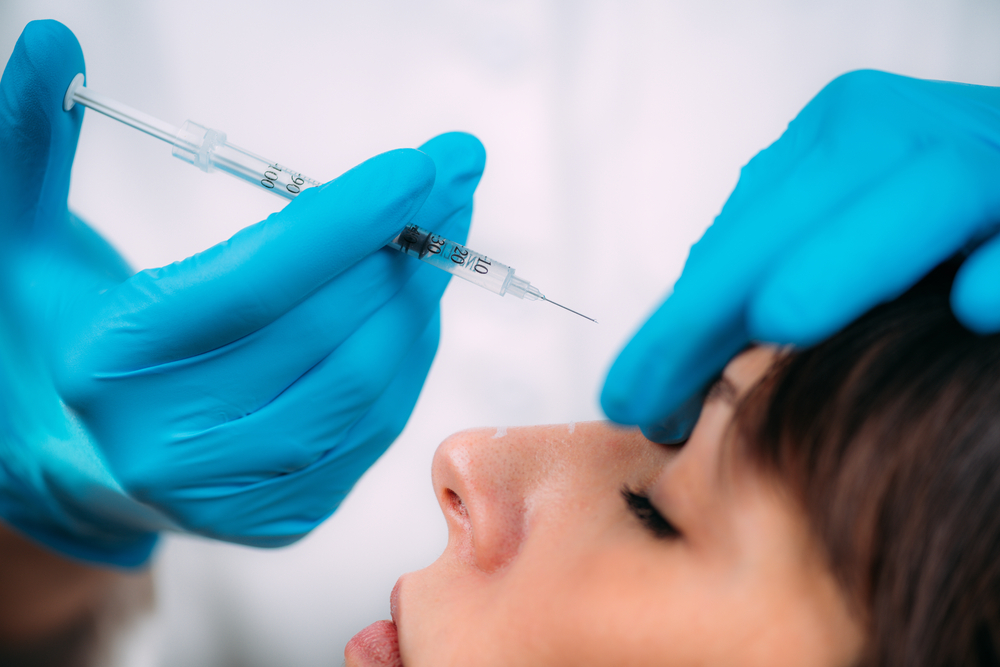
Spend five minutes on social media, and you will find ten opinions about Botox. Some are accurate. A lot are not. The Botox myths that stick longest are the ones that sound just plausible enough to be believed. If any of these have given you pause about starting, continuing, or even just asking about wrinkle relaxers, this is the place to clear them up. Here are five Botox myths that still circulate in Jacksonville, FL, along with the actual Botox facts.
All botulinum toxin products carry an FDA Boxed Warning about the potential for toxin effects to spread beyond the injection site. At cosmetic doses, this is rare, but your provider will review this with you before treatment.
What does this article cover?
- The five most common Botox myths that affect treatment decisions
- The Botox facts that directly replace each myth
- A comparison table of myth vs. fact for quick reference
- What these facts mean practically, before you book in Jacksonville, FL
Key takeaways
- Botox does not make wrinkles worse when you stop. Lines return to their pre-treatment baseline, not beyond it.
- Botox is not only for older patients. The best age to start depends on when dynamic lines begin staying visible at rest, often in the late 20s to mid-30s.
- A properly dosed treatment does not freeze the face. Frozen results come from over-treatment, not from Botox itself.
- Botox has been FDA-approved for cosmetic use since 2002 and carries one of the most documented safety records of any injectable treatment in use today.
Botox myths vs. facts: quick reference table
Myth 1: Stopping Botox makes your wrinkles worse
This is the most persistent Botox myth, and it stops a lot of people from starting in the first place. The concern is that if you stop, you will end up worse off than before you started.
When Botox wears off, the treated muscles regain their normal movement and wrinkles return to their pre-treatment level. The American Academy of Ophthalmology confirms that after the effects wear off, the muscles move again and wrinkles return to their pre-treatment appearance. (Botulinum Toxin for Facial Wrinkles, American Academy of Ophthalmology) They do not deepen beyond baseline. Separately, the AAD notes that with repeat treatment, the muscle may thin over time, which can actually lead to longer-lasting results with continued use.
If wrinkles look more noticeable after Botox wears off, that is a contrast effect. You adapted to smoother skin. The lines did not actually worsen.

Myth 2: Botox will make you look frozen
The frozen face is real. It is also entirely the result of how a treatment is performed, not what Botox does when used correctly.
Botox relaxes specific muscles. A skilled provider uses enough units to soften movement without eliminating it. The goal is reduced expression intensity, not no expression at all. Frozen results happen when too many units are injected or when the placement is imprecise.
Dose and technique are the variables. The product itself does not decide the outcome. A provider who takes time to assess your facial movement, muscle strength, and natural expressions can deliver results that look rested and natural, not rigid.
Myth 3: Is Botox only for people in their 40s and 50s?
This Botox myth comes partly from older marketing and partly from the assumption that wrinkles are only a concern later in life.
The Botox fact: treatment is appropriate for adults of any age once dynamic lines begin to appear. Dynamic lines are those caused by muscle movement, such as frown lines between the brows or forehead creases when raising the eyebrows. When those lines remain visible at rest for a few seconds after the expression ends, that is the clinical signal that a neuromodulator may be useful.
For many patients in Jacksonville, FL, that window opens in the late 20s or early 30s. Starting earlier means using smaller doses and working with lines before they etch in. Starting later means a corrective approach. Both are valid. Neither requires a specific age.
Expert tip: "One of the easiest ways to tell if Botox might be appropriate is to look in the mirror, make a strong expression like a frown or raised brow, then relax completely. If the line remains visible for 3 to 5 seconds or more, the muscle is strong enough to benefit from treatment. If it disappears immediately, the skin is still snapping back on its own, and you may not need intervention yet."
Still weighing the Botox facts and whether treatment fits where your skin is right now? Book a complimentary consultation at New Day Medspa in Jacksonville, FL, where licensed ARNPs and PAs assess your muscle activity, line patterns, and goals before recommending anything.
Myth 4: Botox is addictive
The idea that Botox is physically addictive is a Botox myth with no clinical basis. Botulinum toxin does not create receptor-level dependence. There is no withdrawal, no tolerance buildup, and no compulsion driven by the substance itself.
What people likely mean is that they enjoy the results and choose to maintain them. That is a preference, not an addiction. Some patients do report feeling more confident with consistent treatment and choose to continue. That is their decision, made freely, not driven by any property of the product.
If someone wants to stop, they stop. Results wear off in 3 to 4 months, and the face returns to baseline.
Myth 5: Botox is not safe for long-term use
This Botox myth often surfaces alongside general distrust of injectables or misapplied concerns about the word "toxin" in botulinum toxin.
The Botox fact: Botox Cosmetic received FDA approval in April 2002 for cosmetic treatment of glabellar lines. It has since received additional FDA approvals for crow's feet and forehead lines. It has been one of the most performed minimally invasive cosmetic procedures in the United States for over two decades, with a documented safety profile across millions of cosmetic treatments.
Long-term cosmetic use at standard doses does not cause cumulative damage. Side effects at cosmetic doses are well-characterized, mostly mild, and technique-dependent. The most common issues, such as temporary bruising or mild ptosis, are associated with placement errors rather than the product itself.
What these Botox facts mean before your first appointment
Clearing up Botox myths matters because misinformation is often the only thing standing between a patient and a treatment that is appropriate for them.
Here is what the Botox facts look like in practical terms:
- You can try Botox and stop with no lasting downside to your skin
- A natural result is achievable and is the standard, not an exception
- Starting in your 30s is not premature if your skin signals it is appropriate
- Consistent use over time may reduce how much treatment you need, not increase it
- Your provider's skill and dose decisions drive outcomes far more than the product does
A knowledgeable provider in Jacksonville, FL, will walk through your specific concerns before any treatment begins.
About New Day Medspa
New Day Medspa is a medically guided aesthetic practice in Jacksonville, FL. All wrinkle relaxer treatments are performed by licensed ARNPs and PAs who assess your facial muscle activity, line patterns, and goals before recommending a treatment plan. Every new patient receives a complimentary consultation, so the conversation starts with your actual skin, not a standard protocol.
Suggested articles
- Is Botox bad for you? Separating fact from fiction goes deeper into the real side-effect profile, the causes of problems, and how provider skill affects safety—the natural companion to this myth-busting guide.
- What is Botox made of? Understanding the science behind the treatment explains the actual ingredients and mechanism, which directly supports several Botox facts covered here, especially around safety and how it works.
- How long does it take for Botox to work? A day-by-day breakdown covers the onset and peak timeline, which helps set expectations after a first treatment and counters the myth that Botox either works instantly or not at all.






.svg)