
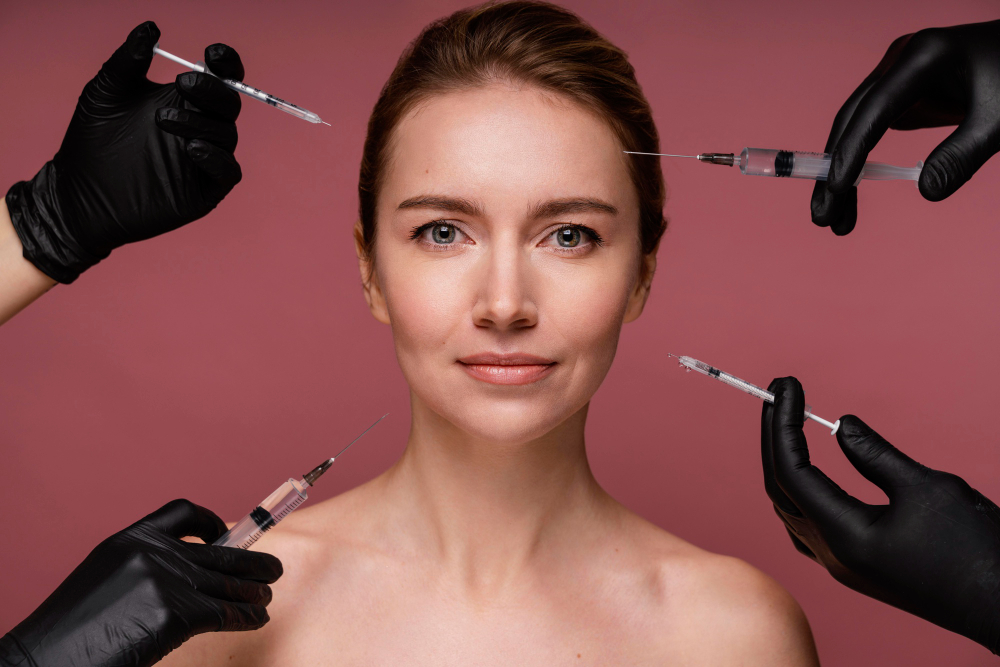
If you're thinking about getting dermal fillers, the first question that comes to your mind is "Does the filler treatment hurt?" For many people, that question is the biggest hesitation before booking an appointment. The idea of injections can sound intimidating, especially if it’s your first time. Modern dermal fillers have numbing agents in them, and the people who give them to you use methods that make you as comfortable as possible.
In this blog, we will talk about what dermal fillers really feel like, how to get ready for them, and what the aftercare tips are to follow.
What are Dermal Fillers?
Dermal fillers are gel-like substances injected under the skin to add volume, smooth out lines, and reshape certain facial features. Most fillers use hyaluronic acid, something your body already makes naturally, so they work well for most people.
Think of them as a solution to restore what time takes away: fullness in the cheeks, definition in the lips, or smoothness around the mouth. Results show up fast, usually right after your appointment, and can last anywhere from six months to a year or more. No surgery, no long recovery — just a quick treatment.
Do Dermal Fillers Hurt?
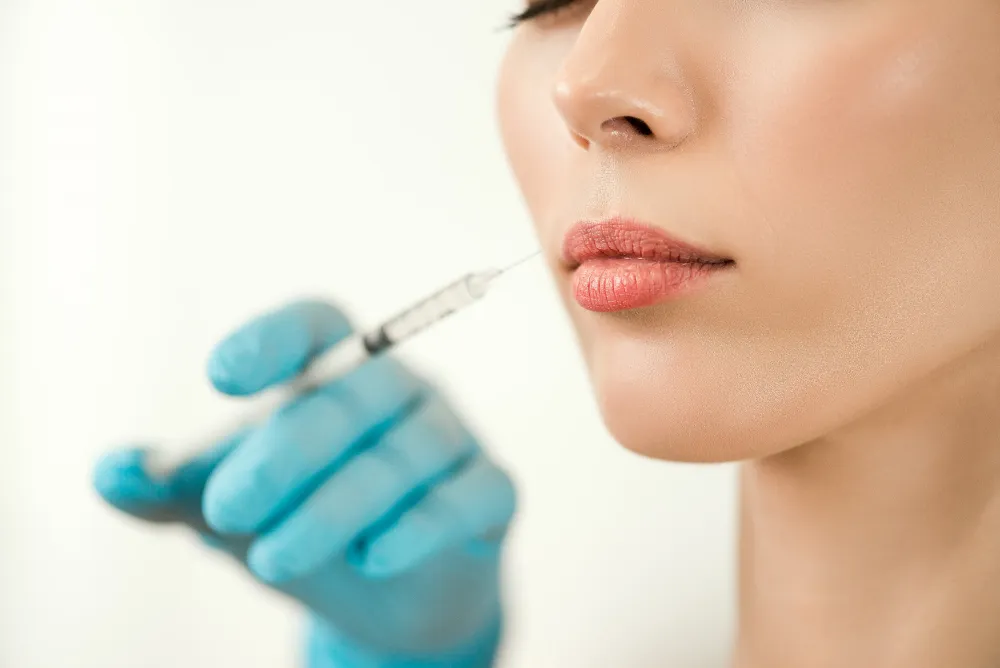
Honestly, no, the filler treatment doesn’t involve any pain. Before the treatment starts, a numbing cream is applied to the area to reduce any discomfort. On top of that, most modern fillers already have lidocaine mixed in, so any discomfort during the injections is usually pretty minimal.
You might feel a small pinch or a little pressure, but that can't be defined as pain. The whole process is quick, and any swelling or redness afterward is mild and typically fades within a day or two.
Are Dermal Fillers Safe?
Yes, dermal fillers are considered safe when done by a trained, qualified provider. Most fillers use hyaluronic acid, which your body already produces naturally, so the risk of a reaction is pretty low. Like any treatment, there are minor temporary side effects, such as some swelling, maybe light bruising, but serious complications are rare.
The biggest factor in safety is who's doing the treatment. A skilled injector with proper medical training makes all the difference between a smooth experience and one you regret.
How to Prepare and What to Expect During the Treatment?
There are a few easy things to remember before your appointment. Don't take blood thinners like aspirin, ibuprofen, or fish oil supplements for a few days before your visit. These can make bruises worse. It's advised not to drink alcohol for at least 24 hours before the appointment and to come in with a clean face and no makeup.
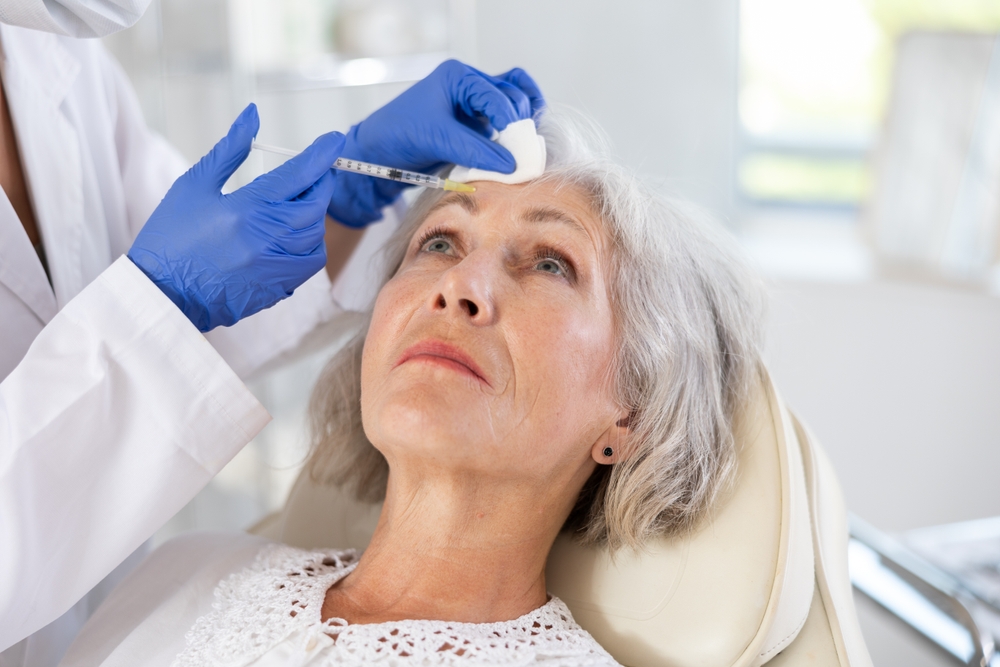
The first step is a one-on-one meeting with your provider, who will talk to you about your goals, look at the areas you want treated, and make a plan that is unique to your face. There's no rush; you'll know exactly what's going on before anything starts.
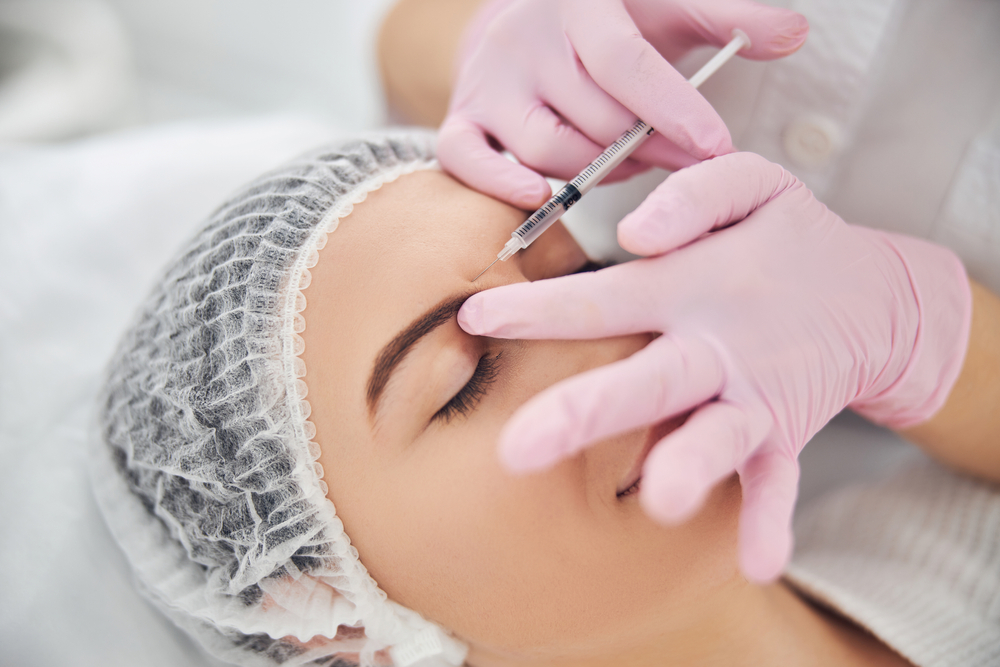
Once you're ready, a cream that numbs the area is put on to make the injections less painful. The treatment itself is quick, usually taking 30 to 45 minutes, and you can see results right away.
What are the Side Effects of Dermal Fillers?
Dermal fillers don't really have serious side effects; what you'll notice are minor, temporary after-effects that usually fade on their own within a week. Think of them as your skin's normal response to the treatment, not a cause for concern.
Here's what you might experience after your appointment:
1. Swelling: Some puffiness around the treated area is completely normal and usually settles within 2 to 3 days
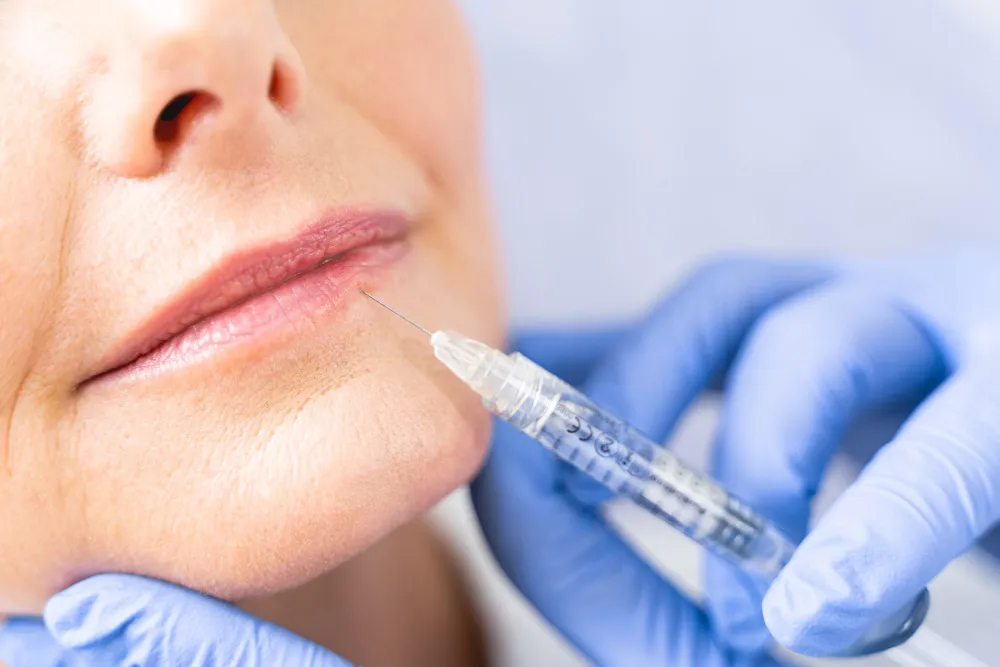
2. Bruising: Light bruising can show up at the injection site, especially in sensitive areas like the lips, but it fades quickly
3. Redness or tenderness: The skin around the injection points may feel a little sensitive or look slightly red for a day or two
4. Mild lumps or unevenness: For a few cases, the filler can feel a little uneven right after treatment, but this typically smooths out on its own within a few days
5. Temporary numbness: Some people notice a slight numbing sensation around the treated area, which is usually from the lidocaine in the filler and wears off quickly
Aftercare Tips for Faster Healing After Dermal Fillers
The treatment is the easy part — how you take care of yourself afterward makes a real difference. For the first 24 hours, avoid touching or pressing on the treated area. Skip intense workouts, saunas, and anything that gets your face really hot.
Stay out of direct sunlight and hold off on makeup for at least a day. Drink plenty of water, sleep on your back if you can, and avoid alcohol for a day or two. Minor swelling and bruising are normal and will fade within a day or two.
Wrap Up
Most people think that dermal fillers will hurt, but they don't. The treatment is usually very comfortable because the filler contains lidocaine and numbing cream. They are also safe when done by a trained and qualified person.





.svg)