
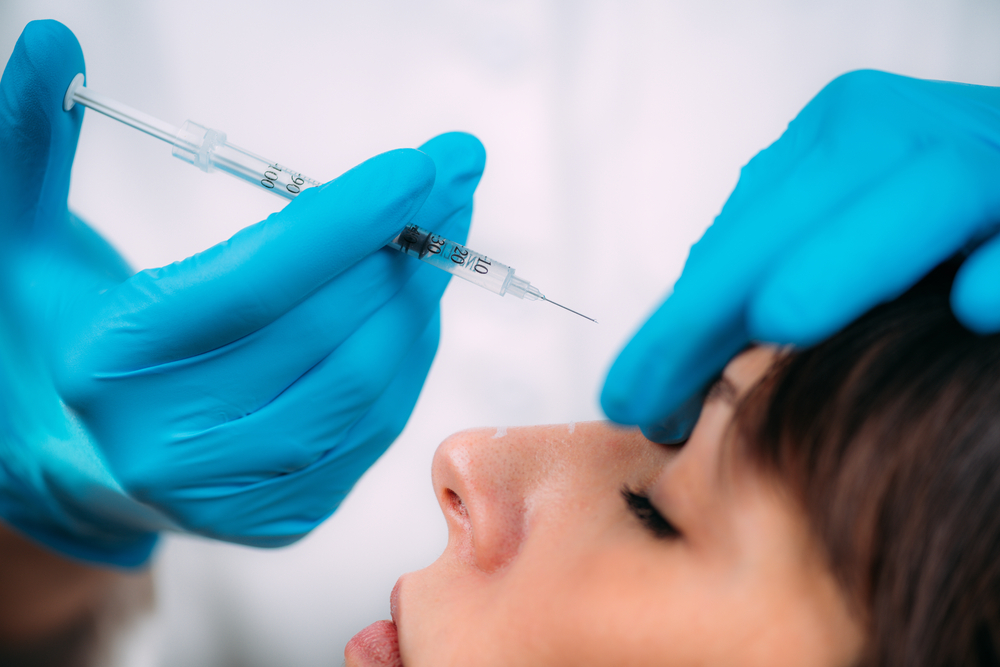
Pain concern is one of the top reasons people hesitate before booking a filler appointment. So let's answer it plainly: do dermal fillers hurt? For most people, the discomfort is mild and brief. It's not painless, but it's also not the experience most people imagine when they picture needles. What you feel depends on where you're being treated, how your provider prepares the area, and the filler itself. This guide walks through each stage so you know exactly what to expect.
What does this article cover?
- How much dermal fillers actually hurt and why it varies by area
- What providers do to manage discomfort before and during treatment
- What you'll feel during the injection and in the hours after
- Which treatment areas tend to be more sensitive than others
Key takeaways
- Most patients describe filler injections as mild pressure or a quick sting, not sharp pain
- Most modern HA Fillers contain built-in lidocaine, which numbs the area as the injection progresses.
- Lips are the most sensitive area; cheeks, temples, and jawline tend to be more comfortable
- Post-treatment, soreness and swelling are normal and typically resolve within a few days.
How much do dermal fillers actually hurt?
The most honest description most patients give is pressure with a brief sting at the needle entry point. It's not a sustained pain. It's a quick, localized sensation that settles quickly, especially as the lidocaine in the filler kicks in. A cross-sectional survey published in PubMed found that 82% of patients were worried about pain before their appointment, yet 95% of physicians who used lidocaine-containing HA fillers reported that their patients had a comfortable treatment experience - the gap between anticipation and the experience is often significant. Most people leave surprised by how manageable it was.
Source: Pain Management in Dermal Filler Injections: Cross-Sectional Survey, PubMed/NIH

Why do most fillers hurt less than people expect?
Two things work in your favor. First, most modern HA fillers (such as Juvéderm) contain 0.3% lidocaine mixed directly into the gel. As the filler gets injected, lidocaine numbs the tissue progressively, so each subsequent pass through the same area feels less than the one before it. Second, providers apply a topical numbing cream to the skin 15 to 30 minutes before treatment. That takes the edge off the initial needle entry. Together, these two steps reduce the experience from something most people dread to something most people handle without much difficulty.
Expert tip: "Tell your provider before your appointment if you're particularly anxious about needles or have a low pain threshold. We can extend the numbing cream's duration, use a dental block for lip treatments, or slow the injection pace. There's no reason to white-knuckle through a filler appointment. The more comfortable you are, the better the treatment goes for everyone." - New Day Medspa providers.
Which areas of the face hurt the most?
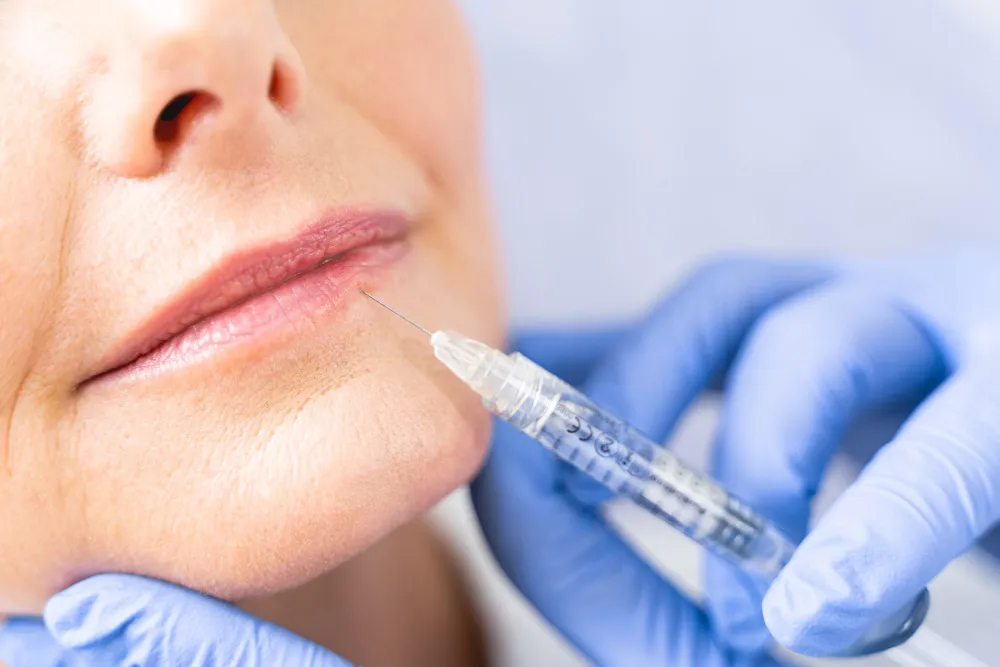
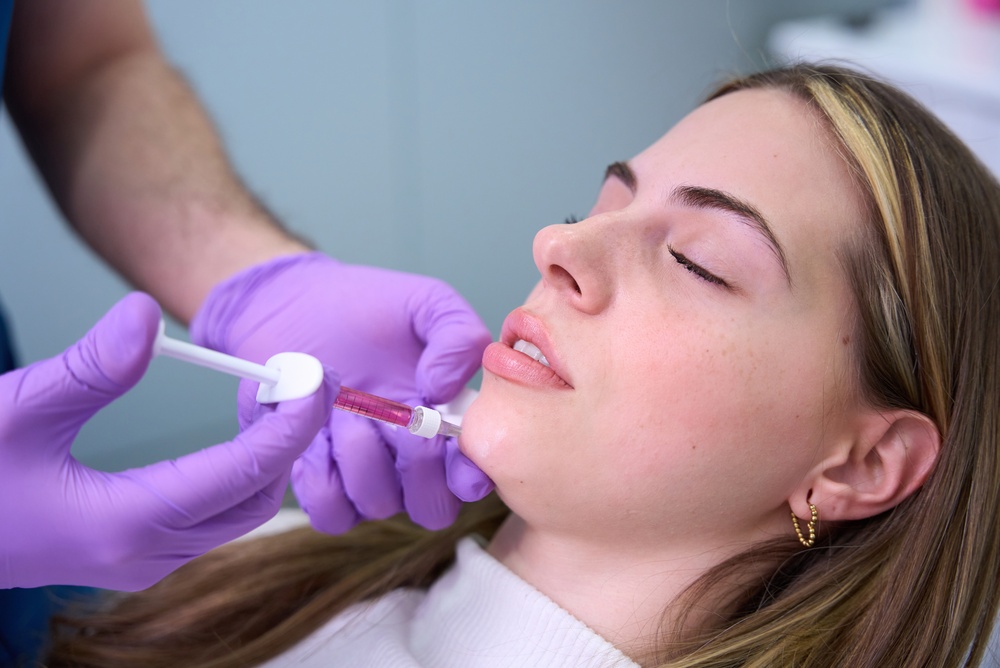
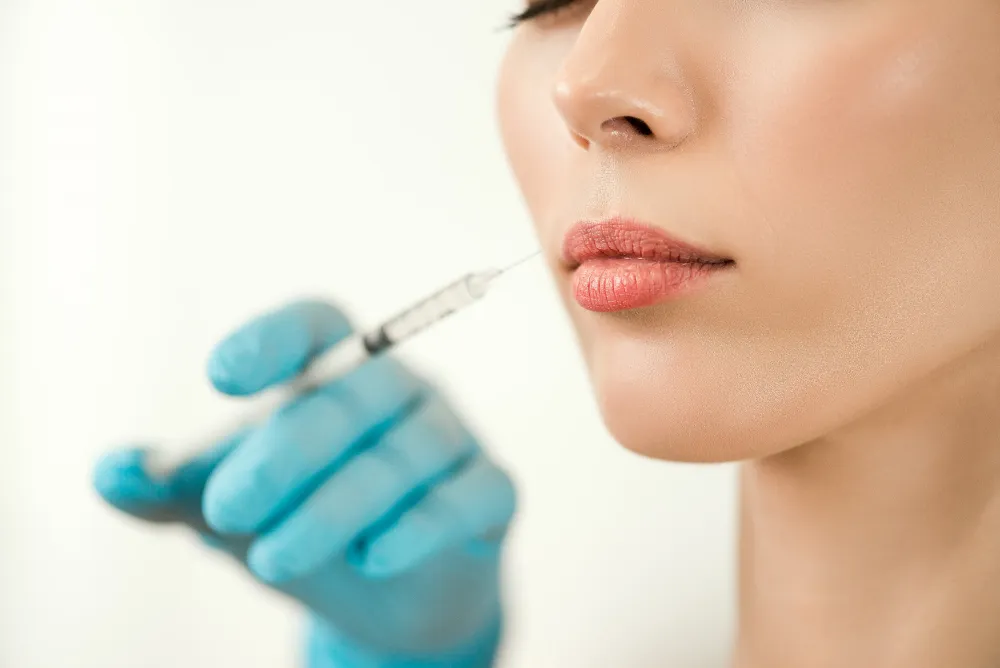
The treatment area makes a real difference. Lips are consistently the most sensitive. The lip tissue is dense with nerve endings, there's less subcutaneous cushion, and the skin is thinner than in most other facial areas. Many providers offer a dental nerve block specifically for lip filler, which numbs the entire area before any injections.
Cheeks, temples, and the jawline tend to be more comfortable. The tissue is deeper, there's more cushioning, and fewer concentrated nerve endings in those zones. Under-eye (tear trough) injections sit somewhere in the middle. The area is delicate, but skilled providers usually use a blunt-tipped cannula rather than a sharp needle, which causes significantly less trauma and discomfort.
What does the injection itself feel like?
At the needle entry point, most people feel a quick pinch, similar to a blood draw. After that, the sensation shifts to pressure as the filler gets placed. You might feel mild firmness or a sense of fullness in the treated area as the gel settles in. Some people describe a dull ache that comes and goes during the session. The whole treatment typically takes 15 to 30 minutes, depending on how many areas are involved. By the time it's done, most people are surprised it went so quickly.
What does recovery feel like after dermal fillers?
The day of treatment, tenderness at the injection sites is normal. The area may feel slightly firm or swollen, and bruising is possible, especially if you're treating the lips or the area under the eyes. This peaks in the first 24 to 72 hours and usually settles within a week. Soreness is generally mild enough that most people go back to their regular activities the same day. Tylenol handles any post-treatment discomfort well. Ibuprofen and aspirin are best avoided for several days before treatment as they can increase bruising.
Nervous about your first filler appointment? Book a complimentary consultation at New Day Medspa in Jacksonville, FL. Licensed ARNPs and PAs will walk you through exactly what to expect and answer every question before anything gets scheduled.
How to prepare to minimize discomfort
A few steps before your appointment make a meaningful difference. Avoid alcohol for 24 to 48 hours beforehand, since it increases the risk and can make tissue more sensitive. Skip ibuprofen, aspirin, and fish oil supplements for several days before treatment if they're not medically necessary. These thin the blood and increase the chance of bruising. Arrive hydrated. Some providers also recommend arnica supplements starting a few days before your appointment to reduce bruising, though results vary by person.
Does filler hurt more the second time?
For most people, no. Repeat patients consistently report that subsequent treatments feel more manageable than their first. Part of this is familiarity: you know what the sensations mean, and your nervous system doesn't treat it as a threat. Some providers also note that patients who come back regularly have a clearer sense of what prep steps help them personally, whether that's extra numbing time, a specific position, or a slower injection pace. If you want a detailed look at what happens after your appointment, How Long Do Lip Fillers Take to Heal? covers the recovery timeline day by day.
Dermal fillers involve real injections, and it's fair to factor discomfort into your decision. But for most people who go through with it, the experience is significantly less than what they anticipated. If you're in Jacksonville, FL, and want to talk through what the treatment feels like before committing, New Day Medspa offers complimentary consultations with licensed ARNPs and PAs who give you a straight, no-pressure answer.
About New Day Medspa
New Day Medspa is a medically guided aesthetic practice with locations in Jacksonville, FL. All injectable treatments are performed by licensed ARNPs and PAs with specialized training in facial anatomy and aesthetic medicine. Every patient starts with a complimentary consultation where the provider walks through what the treatment involves, what to expect during recovery, and how to prepare for the most comfortable experience possible.
Related articles
- How Long Do Lip Fillers Take to Heal? (Post Treatment Care) - A day-by-day breakdown of what healing looks like after your filler appointment and what's normal vs. what needs attention.
- Are Dermal Fillers Safe? What the Research and Our Experts Say - Covers the safety profile of FDA-approved fillers and what separates a low-risk treatment from a risky one.
- Lip Fillers vs. Dermal Fillers: Which Is Right for You in Jacksonville? - Helps you understand the difference between treatment types and which one fits your goals before you book.




.svg)