
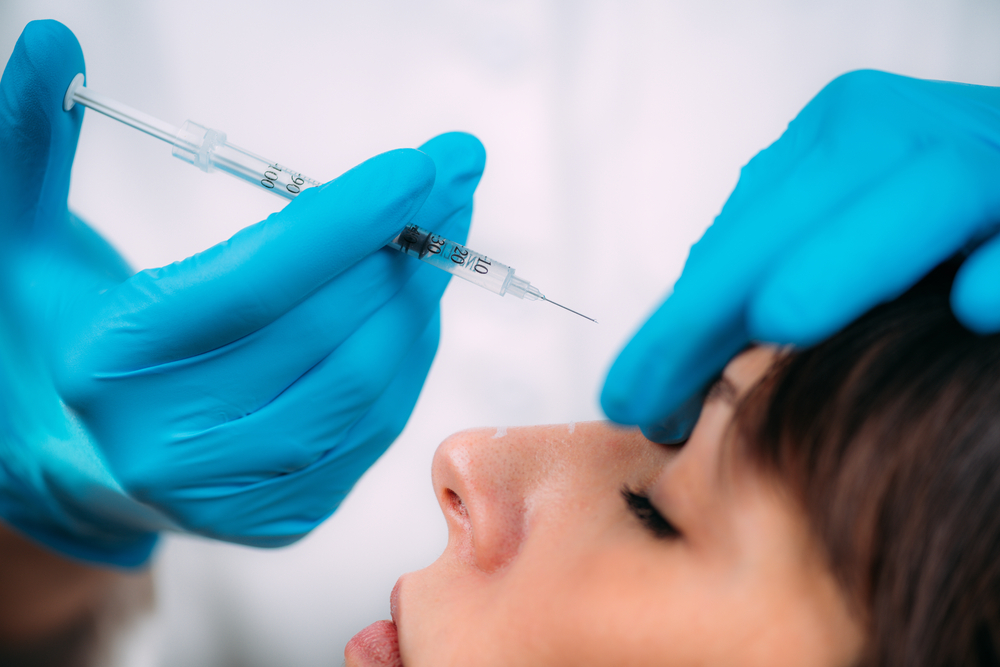
One of the first things people want to know before booking a filler appointment is how long the results will actually last. The honest answer is: it depends on where you're treating. The duration of dermal fillers varies by treatment area, filler type, and a handful of personal factors that differ from one person to the next. This guide breaks it all down in plain terms so you can plan realistically before you commit to a treatment.
What does this article cover?
- Filler longevity by treatment area with a quick-reference table
- What makes some fillers last longer than others
- Personal factors that affect how fast your body breaks filler down
- How to tell when it's time for a touch-up
Key takeaways
- Lips typically last 6 to 12 months; cheeks and jawline often hold 12 to 18 months
- High-movement areas break down filler faster than areas that remain relatively still.
- Metabolism, exercise habits, and sun exposure all affect how quickly filler fades
- Most people don't need to wait until the results are fully gone before scheduling a touch-up.
How long do dermal fillers last by treatment area?
The single biggest factor in filler longevity is where the filler goes. Areas that move a lot (lips, mouth, chin) break down filler faster because the constant motion degrades the product more quickly. Areas with less movement (cheeks, temples, under-eyes) tend to hold results longer. Here's a realistic breakdown by area:
These ranges reflect typical results with hyaluronic acid (HA) fillers, which are the most widely used type. Thicker, denser HA formulas designed for deeper injection (like those used in cheeks) tend to last longer than the softer, lighter formulas used in lips or fine lines.

Why do lips need touch-ups more often than other areas?
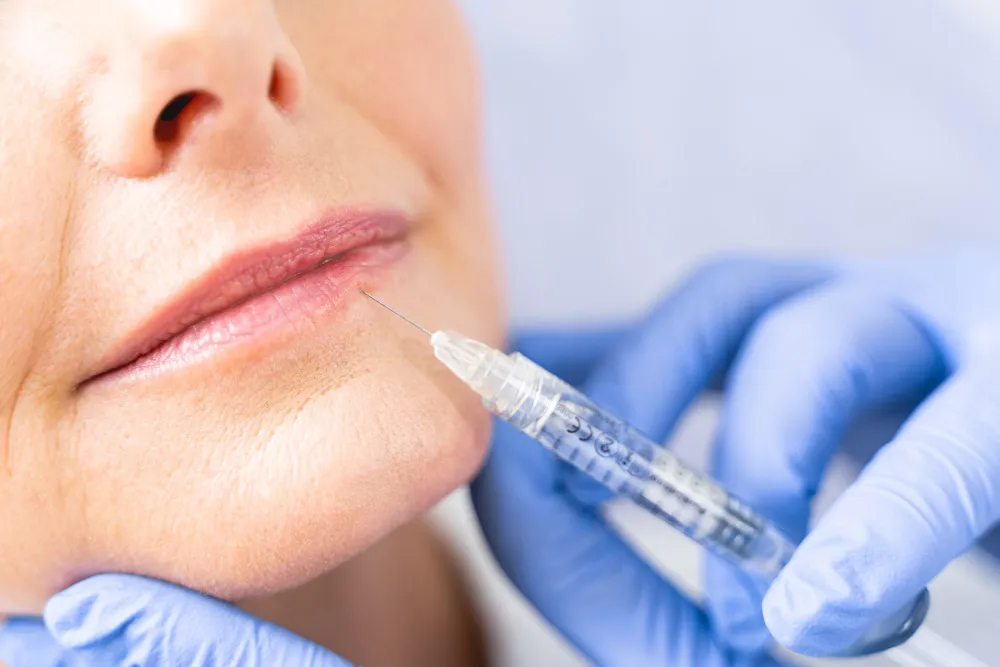
Lips are in constant motion. You talk, eat, smile, and drink all day, and every movement works to break down the filler faster than in a static area like the temples or cheeks. Most people find their lip filler lasts 6 to 12 months, with results peaking around the 2-week mark after all swelling has settled. If you want to understand the full healing timeline, How Long Do Lip Fillers Take to Heal? covers exactly what to expect day by day after your appointment.
What type of filler lasts the longest?
Not all fillers work the same way or last the same amount of time. Here's a practical overview:
Hyaluronic acid (HA) fillers (Juvéderm, Restylane) are the most commonly used. They last 6 to 18 months, depending on the formula and placement, and can be dissolved with hyaluronidase if needed. That reversibility makes them the go-to choice for most treatment areas.
Calcium hydroxylapatite (Radiesse) stimulates collagen production and can last up to 18 months. It works well for deeper volume loss in areas like the cheeks or hands.
Poly-L-lactic acid (Sculptra) is a collagen stimulator rather than a traditional filler. It builds volume gradually over several months and can last up to 2 years, though it requires multiple treatment sessions.
Expert tip: "The filler formula matters as much as the area being treated. A thicker, more cross-linked HA product placed deep in the cheek will outlast a lighter product placed near the surface of the lip by several months. Always ask your provider which specific product they're using and why. That conversation tells you a lot about their level of training." - New Day Medspa providers.
What personal factors affect how long filler lasts?
Two people can get the same filler in the same area and see noticeably different timelines. Metabolism plays a big role. People with faster metabolisms tend to break HA down more quickly. High-intensity exercise increases circulation and can accelerate filler breakdown in some patients. Significant sun exposure and smoking both degrade skin quality over time, which affects how well the filler holds up structurally. Even things like how well you stay hydrated can matter, since HA binds to water and needs adequate hydration to maintain its volume.
Does filler last longer the more times you get it?
There's some truth to this, and it's worth understanding why. With consistent HA filler treatments over time, the skin in the treated area tends to develop better structural support. Some research also suggests that repeated HA injections can stimulate collagen production in the area, helping maintain volume even as the filler breaks down. Many patients who've been getting filler regularly for a few years report needing fewer touch-ups or smaller amounts of product to maintain their results compared to when they started.
Thinking about booking a touch-up or starting filler for the first time? Schedule a complimentary consultation at New Day Medspa in Jacksonville, FL. Licensed ARNPs and PAs will walk you through which product and timeline make the most sense for your goals.
How do you know when it's time for a touch-up?
You don't have to wait until your results have completely faded. Most providers actually recommend scheduling a touch-up before the filler is fully gone. Topping up on existing filler is often easier, requires less product, and produces more consistent results than starting from scratch. A good sign it's time: you notice you're back to looking the way you did before treatment, or the treated area looks uneven. At New Day Medspa, providers check results at the two-week mark and are available for follow-up questions as results evolve.
Does filler look different as it fades?
For most people, filler fades gradually and naturally. You don't suddenly look deflated overnight. HA fillers break down slowly over months, and your face returns to its pre-treatment baseline. In rare cases, an uneven breakdown can cause slight asymmetry, which should be flagged at a follow-up appointment. HA filler can always be dissolved with hyaluronidase if needed, so you always have a clear path to correction if something doesn't look right.
About New Day Medspa
New Day Medspa is a medically guided aesthetic practice with locations in Jacksonville, FL. All injectable treatments are performed by licensed ARNPs and PAs trained in facial anatomy and aesthetic medicine. Every appointment starts with an honest conversation about your goals, what's realistic, and exactly what product will be used in your treatment.
Related articles
- How Long Do Lip Fillers Take to Heal? (Post Treatment Care) - A day-by-day breakdown of what to expect after your lip filler appointment and how to protect your results.
- Are Lip Fillers Permanent? Here's What You Need to Know - Covers how HA fillers work, how long they hold up, and what happens as results gradually fade.
- Lip Fillers vs. Dermal Fillers: Which Is Right for You in Jacksonville? - Helpful if you're deciding between a targeted lip treatment and a broader facial filler.





.svg)