

It's one of the most common questions people have before booking their first filler appointment: Are dermal fillers permanent? The short answer is no, most are not. Standard dermal fillers are temporary, and your body gradually breaks them down over months. But the more useful answer covers why that happens, how long different fillers actually last, and which factors speed it up or slow it down. Here's what you actually need to know.
What does this article cover?
- Why dermal fillers are not permanent and how the body breaks them down
- How long do different filler types last in the product and treatment area
- What personal factors affect how quickly your results fade
- Whether any permanent filler options exist, and what the tradeoffs are
Key takeaways
- Most FDA-cleared dermal fillers are biodegradable and temporary by design
- Hyaluronic acid fillers typically last 6 to 18 months, depending on the area and product
- High-movement areas like the lips break down filler faster than lower-movement areas like the cheeks
- Permanent fillers exist but carry higher complication risks and are rarely the better choice
Why aren't dermal fillers permanent?
Most dermal fillers use hyaluronic acid (HA) as their active ingredient. HA is a sugar molecule your body produces naturally, which is exactly why it breaks down over time. Your tissues contain enzymes that gradually degrade HA, just as they process other naturally occurring substances. A review published in PubMed Central (NIH) classifies fillers into three categories: temporary (lasting less than 18 months), semipermanent (lasting more than 18 months), and permanent (lasting more than 24 months). Most people intentionally receive temporary HA fillers. Biodegradable fillers are considered safer, more adjustable, and reversible than permanent alternatives.
Source: Hyaluronidase for Dermal Filler Complications, PMC/NIH
Expert tip: "The fact that HA fillers break down naturally is actually a clinical advantage, not a limitation. If something doesn't look right after treatment, the filler can be dissolved quickly with hyaluronidase. That option doesn't exist with permanent products, which is why most licensed providers strongly favor HA-based fillers for the vast majority of patients." - New Day Medspa providers.

How long do different dermal fillers last?
Duration varies significantly by product type and placement. Here's a realistic breakdown:
HA fillers are the most commonly used because they balance good duration with reversibility. Collagen-stimulating fillers like Sculptra gradually build volume over several months and tend to last longer, but they require multiple treatment sessions. Bellafill is the only FDA-cleared filler considered semi-permanent, and it's used in specific cases rather than as a general first option.
How long does filler last by treatment area?
Area matters as much as product type. High-movement areas break filler down faster because constant motion accelerates degradation. Here's how it typically plays out:
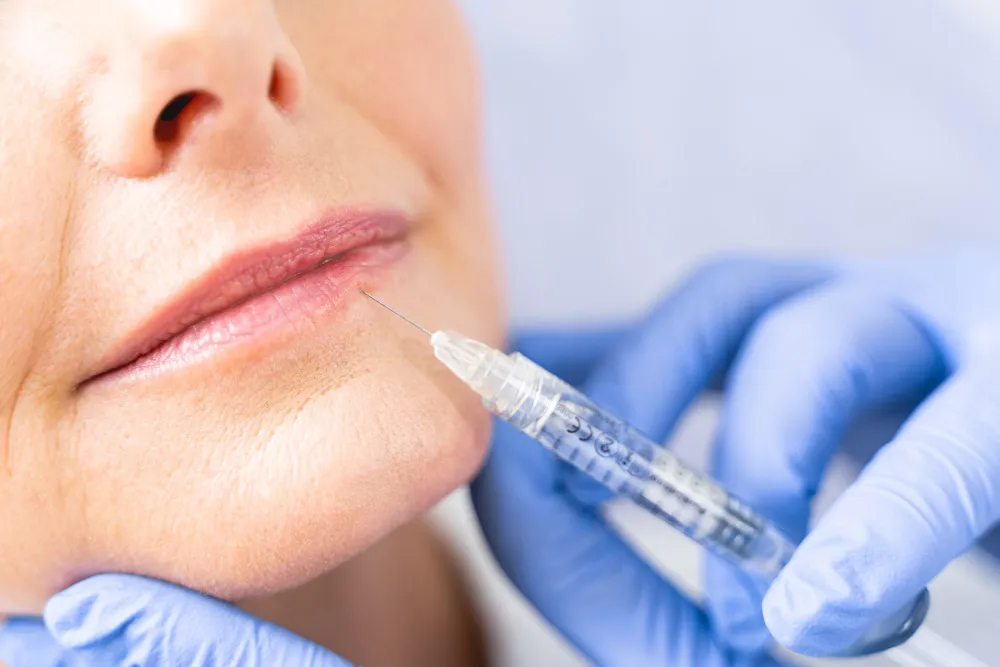
Lips see the shortest results: 6 to 12 months, sometimes less. Lips move constantly during talking, eating, and smiling, which wears the product down faster than anywhere else on the face.
Cheeks and temples hold results longer: 12 to 18 months is typical, and sometimes up to 24 months with denser formulas. These areas move less, so the filler stays intact longer.
Nasolabial folds and marionette lines fall in the middle: 9 to 18 months, depending on the depth of placement and which product is used.
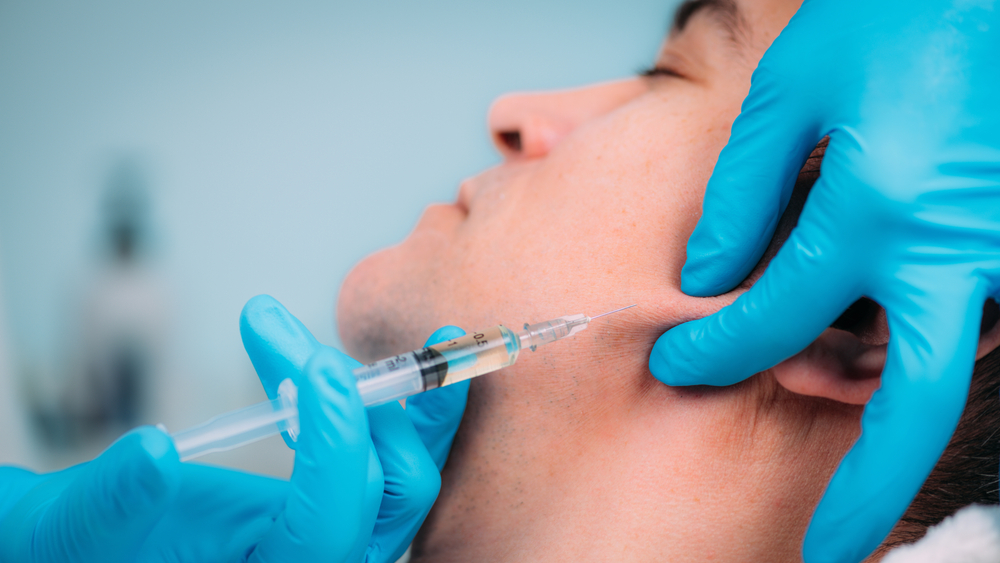
Jawline and chin tend to last 12 to 18 months with appropriate denser HA formulas or Radiesse.
What personal factors make filler fade faster?
Two people can receive the same product in the same area and see notably different timelines. Metabolism is the biggest variable. People with faster metabolisms process HA more quickly, which shortens the results. High-intensity exercise increases circulation throughout the body, and that extra blood flow can accelerate filler breakdown in some patients over time. Sun exposure and smoking both degrade skin quality, which, in turn, affects how well the filler holds structurally. Staying hydrated helps, as HA binds water, and adequate hydration supports the gel's volume-holding capacity.
Want to talk through how long your specific results might last? Book a complimentary consultation at New Day Medspa in Jacksonville, FL. Licensed ARNPs and PAs will walk you through product options and realistic timelines based on your goals and anatomy.
Do permanent dermal fillers exist?
Yes, but they're rarely the right choice for most people. Permanent fillers like Bellafill use polymethylmethacrylate (PMMA) microspheres that your body can't break down. Results can last five or more years, which sounds appealing until you consider what happens if you don't like the outcome. Permanent fillers can't be dissolved, and removing them often requires surgery. Clinical literature also notes that complications like granulomas (hard nodules) and inflammatory reactions occur more frequently with permanent fillers than with temporary ones. Most licensed injectors recommend starting with HA fillers, especially for first-time patients, because their reversibility protects you if the results aren't what you expected.
Does filler look different as it fades?
For most people, HA filler fades gradually and naturally. There's no sudden deflation or an overnight change. The volume slowly returns to its pre-treatment level over a period of months. Some people notice slight unevenness as filler fades if the product breaks down at different rates in different spots. This is worth flagging at a follow-up appointment rather than waiting. At New Day Medspa in Jacksonville, FL, providers are available after your appointment for exactly these kinds of check-ins. Most providers actually recommend scheduling a touch-up before your results are fully gone, since maintaining existing filler typically requires less product than starting from scratch.
Dermal fillers are not permanent, and for most patients, that's exactly the point. They give you real results that you can adjust, maintain, or let fade on your own timeline. If you're in Jacksonville, FL, and want an honest conversation about what filler could do for your specific goals, New Day Medspa offers complimentary consultations with licensed ARNPs and PAs who give you straight answers.
About New Day Medspa
New Day Medspa is a medically guided aesthetic practice with locations in Jacksonville, FL. All injectable treatments are performed by licensed ARNPs and PAs with specialized training in facial anatomy and aesthetic medicine. Every patient starts with a complimentary consultation where the provider walks through product options, realistic timelines, and what to expect at each stage of their treatment plan.
Related articles
- Are Lip Fillers Permanent? Here's What You Need to Know - A focused look at lip filler longevity, what the product is made of, and what happens as results gradually fade.
- How Long Do Lip Fillers Take to Heal? (Post Treatment Care) - Covers the day-by-day healing timeline and what's normal vs. what needs a follow-up call.
- Lip Fillers vs. Dermal Fillers: Which Is Right for You in Jacksonville? - Helpful if you're still deciding between a targeted lip treatment and broader facial filler before booking.






.svg)