
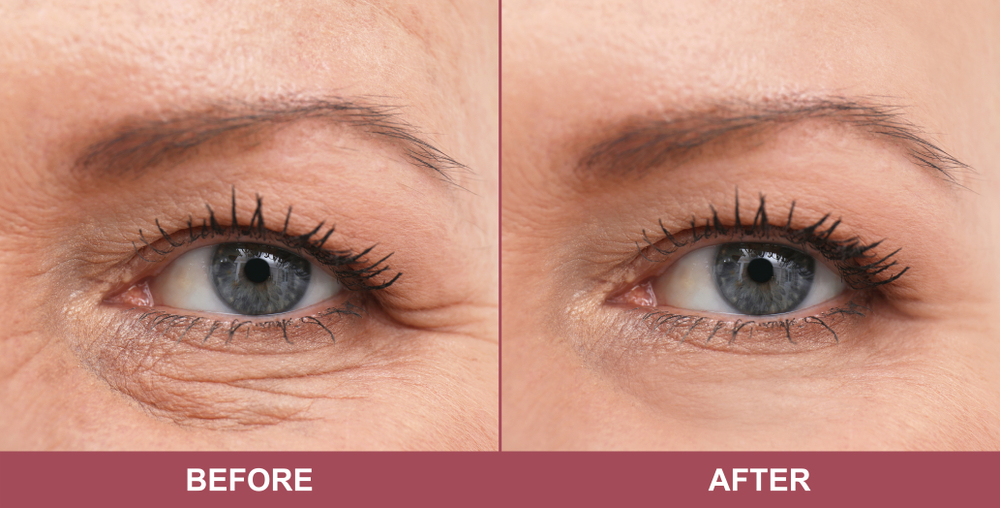
Crow's feet Botox is one of the most searched injectable treatments online and one of the most frequently misunderstood in terms of realistic results. The before-and-after photos you see in marketing tend to feature ideal candidates with dynamic wrinkles, good skin elasticity, and visible improvement after just a few sessions. What those photos rarely show is what happens when the lines are static, when the skin has lost elasticity from years of sun exposure, or when the crow's feet are deep enough to require more than one treatment cycle to improve meaningfully.
This guide covers what crow's feet Botox actually does, what realistic before-and-after looks like across different skin types and ages, how many units the area needs, and what to expect at New Day Medspa in Jacksonville.
All botulinum toxin products carry an FDA Boxed Warning about the potential for toxin effects to spread beyond the injection site; at cosmetic doses, this is rare, but your provider will review this with you before treatment.
What Does This Article Cover?
- What crow's feet are and why Botox treats them specifically
- Realistic before-and-after outcomes by skin type, age, and wrinkle depth
- How many units crow's feet Botox requires and what it costs in Jacksonville
- What the day-by-day experience looks like after your first session
Key Takeaways
- Crow's feet are lateral canthal lines caused by repeated contraction of the orbicularis oculi muscle. Botox relaxes this muscle, reducing the folding that creates and deepens these lines.
- The FDA approved Botox Cosmetic specifically for lateral canthal lines in 2013 following an 833-patient randomized controlled trial. Allergan's own recommended dose is 24 units total, 12 per side.
- A peer-reviewed comparative study published in BioMed Research International found that botulinum toxin type A produced measurable improvement in crow's feet severity at weeks 1, 4, and 12 post-treatment across all injection methods tested.
- Dynamic crow's feet (visible only when smiling or squinting) respond better than static crow's feet (visible at rest). Knowing which type you have before booking shapes realistic expectations.
What Are Crow's Feet and Why Does Botox Treat Them?
Crow's feet are the fan-shaped lines that radiate from the outer corners of the eyes. They form because the orbicularis oculi muscle, which controls eye blinking and expression, contracts thousands of times a day. Every smile, every squint, every laugh creases the skin at the eye corners. Over years, those repeated folds etch permanent lines into the skin, even at rest.
Botox works here the same way it does everywhere: blocking acetylcholine release at the neuromuscular junction and reducing the frequency and force of orbicularis oculi contractions. Less repeated folding softens existing lines and slows the formation of new ones. The skin around the outer eye is thinner than most facial skin, which is why this zone shows both improvement and limitations from Botox more clearly than thicker-skinned areas like the forehead.

What Does Before-and-After Actually Look Like?
This is where honest framing matters more than anywhere else in injectable medicine.
Dynamic Crow's Feet (Lines Only When Expressing)
This is the best-case patient for crow's feet Botox. Lines that appear during a smile or squint but disappear at rest respond dramatically to treatment. After a full session, many patients see those expression-only lines soften significantly or nearly disappear during movement. At rest, the skin looks the same as before treatment because there was nothing there to treat.
Before-and-after: noticeable difference when smiling or squinting. Little to no visible change at rest. Most patients in this group are delighted because the lines that bothered them, the ones visible in photos and in the mirror, are gone or dramatically reduced.
Dynamic and Early Static Crow's Feet
Some lines appear during expression and also linger for several seconds after the expression ends. These are partly dynamic and partly beginning to etch in. Botox softens the expression-driven component clearly. The lingering crease at rest may soften somewhat as the treatment cycle reduces repeated folding, but it will not fully disappear from a single series.
Before-and-after: clear improvement during expression. Moderate improvement at rest. Most patients see meaningful change by sessions two to three.
Deep Static Crow's Feet (Lines at Rest)
Lines that are visible at full rest, with no expression, have already etched into the skin. Botox reduces the muscle activity that continues deepening them. It cannot reverse existing collagen loss or skin structure changes. A deeply etched static crow's foot line at rest will soften somewhat as repeated contraction stops deepening it, but expecting it to disappear is unrealistic without additional treatments.
Before-and-after: reduced depth over time with consistent treatment. You may need filler for the static lines alongside Botox to address both muscle activity and the existing crease.
Crow's Feet Botox Before-and-After by Line Type
How Many Units Do Crow's Feet Need?
The FDA-approved Botox dose for lateral canthal lines is 24 units total, 12 per side. This is based on the Allergan clinical trial that led to the 2013 FDA approval for crow's feet treatment.
In practice, unit count varies by patient. Patients with a strong orbicularis oculi and dense lateral canthal lines may need slightly more per side for a meaningful result. Patients with fine dynamic lines may achieve a clear result at 8 to 10 units per side. The standard clinical range runs 10 to 24 units total for most patients treating crow's feet as a standalone area.
A peer-reviewed study published in BioMed Research International enrolled 30 subjects with moderate to severe crow's feet and found that all three botulinum toxin injection approaches produced measurable improvement in wrinkle severity scores at weeks 1, 4, and 12 post-treatment, confirming the treatment timeline and efficacy across injection techniques. (BioMed Research International, Comparative Study on Botulinum Toxin Type A for Crow's Feet, 2018)
Does Crow's Feet Botox Affect Eye Movement or Appearance?
A concern that comes up often. The orbicularis oculi wraps around the eye and is responsible for blinking and closing the eye. Injecting botulinum toxin into it does not paralyze blinking or prevent the eye from closing. At cosmetic doses placed into the lateral portion of the muscle, the treatment softens the contractions that produce the outer-corner fan lines without affecting normal eye function.
The placement matters here. Injections placed too close to the lower eyelid margin can occasionally cause temporary lower eyelid drooping or an odd undereye appearance. This is why the lateral canthal region specifically, and injection placement by an experienced provider, is critical for crow's feet treatment. At New Day Medspa, licensed ARNPs and PAs mark injection points and discuss placement before any treatment begins.
Expert tip: The single most useful thing you can do before a crow's feet consultation is take a photo of yourself smiling fully, then one completely at rest. Bring both to the consultation. The difference between those two photos tells your provider more about what type of crow's feet you have and what is realistic to expect than a consultation-room assessment alone. Dynamic lines that vanish at rest are a very different treatment conversation from lines that stay visible after you relax.
Want to know whether your crow's feet are a good fit for Botox and what the result would realistically look like? Book a complimentary consultation at New Day Medspa in Jacksonville. A licensed ARNP or PA assesses your wrinkle type, placement, and unit needs before recommending anything.
What Does the Day-by-Day Experience Look Like After Crow's Feet Botox?
Days 1 to 3: No visible change. Mild redness or small bumps at injection sites clear within hours. The lateral eye area looks the same as before treatment.
Days 3 to 5: The orbicularis oculi starts to relax. Some patients notice the skin feeling slightly different when they smile. Early softening begins.
Days 7 to 10: Visible improvement during expression for most patients. The fan-pattern lines during smiling or squinting are softer or less pronounced.
Day 14: Peak effect in place. This is the right time to assess results. If one side looks slightly more treated than the other, or if an area feels under-treated, day 14 is when a small touch-up conversation makes sense.
Months 3 to 4: Effects begin to wear off as acetylcholine signaling returns gradually. Most patients schedule their next crow's feet Botox session at the three- to four-month mark to maintain results.
What Does Crow's Feet Botox Cost in Jacksonville?
Crow's feet Botox at New Day Medspa starts at $8.99 per unit. At the standard clinical range of 10 to 24 units total, the cost runs approximately $89.90 to $215.76 for the crow's feet area alone. Most patients treat crow's feet alongside the forehead or glabella in the same appointment, which lets you combine the session cost rather than book separate visits for each area.
Financing is available through Cherry, PatientFi, Afterpay, and Klarna for patients who want to spread treatment costs across monthly payments.
About New Day Medspa
New Day Medspa is a medically guided aesthetic practice in Jacksonville, FL. Licensed ARNPs and PAs perform all wrinkle relaxer treatments, including crow's feet Botox, with specialized training in periorbital injection technique. Every new patient starts with a complimentary consultation and unit estimate before scheduling any treatment.
Suggested Articles
- Botox Injections in Jacksonville, FL: Cost, Results, and Safety Tips covers the full Jacksonville Botox landscape including pricing, how to evaluate providers, and what to look for before booking any injectable treatment.
- How Much Is Botox in Jacksonville, FL? 2026 Pricing Guide breaks down per-unit pricing and typical unit counts across all facial treatment areas, useful context for patients planning crow's feet treatment alongside other zones.
- What Is Botox Made Of? The Science Explained Simply covers the ingredient-level science behind how botulinum toxin works on the orbicularis oculi and other facial muscles, building on what this guide covers about mechanism and results.





.svg)