
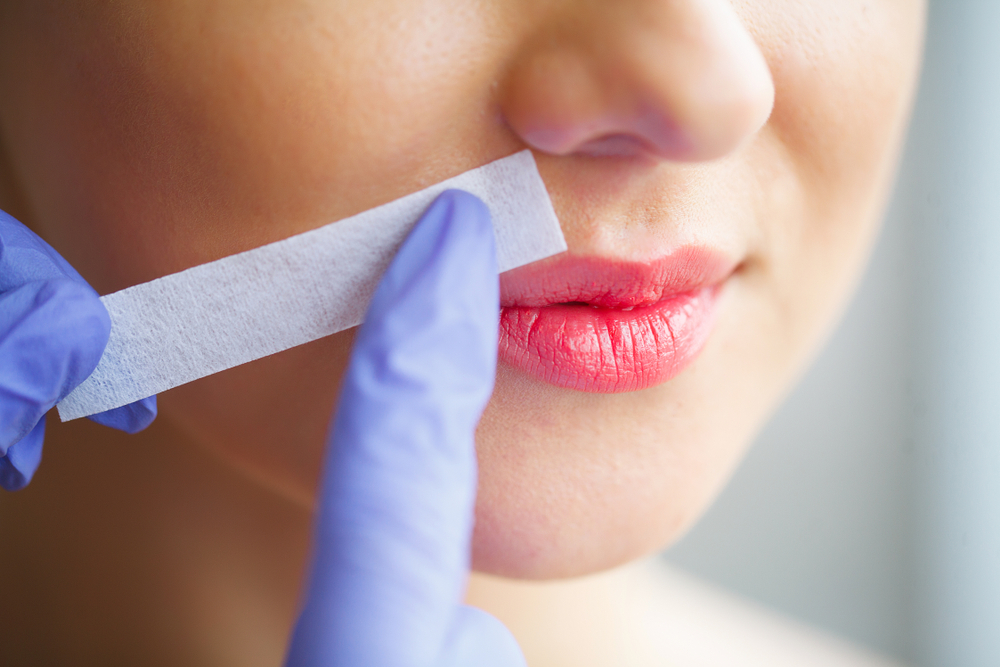
Upper lip waxing is one of the most common hair removal appointments booked, and one of the most frequently repeated. For most people who wax their upper lip, the appointment happens every three to four weeks, every month, every few years, indefinitely. The result lasts until it does not, and then you book again.
That cycle is not inevitable. But before we get into what works better long-term, it is worth being honest about what repeated waxing does to the skin on the upper lip, because the downsides go beyond the temporary redness most people already know about.
What Does This Article Cover?
- The specific side effects of upper lip waxing that go beyond temporary redness
- Why certain skin tones face higher risk from repeated upper lip waxing
- One rare but real risk specific to laser treatment of the upper lip area
- How laser hair removal compares to waxing for upper lip hair long-term
Key Takeaways
- The most commonly experienced upper lip waxing side effects are immediate redness and irritation, follicular bumps, and ingrown hairs. These are generally short-lived but occur with every appointment.
- The most clinically significant disadvantage for patients with medium to darker Fitzpatrick skin tones is post-inflammatory hyperpigmentation. Repeated trauma and inflammation from waxing in the perioral area can cause cumulative darkening that is harder to address than the original hair removal concern.
- Upper lip laser hair removal targets the follicle directly, permanently reducing the active follicle count across a series of six to eight sessions. Results last months to years rather than three to four weeks.
- Laser hair removal at New Day Medspa in Jacksonville starts at $199 per treatment or $99 per month with financing through Cherry, PatientFi, Afterpay, and Klarna.
The Immediate Side Effects of Upper Lip Waxing
These are the ones most people already know, but it's worth naming them clearly because they occur with every appointment, not occasionally.
Redness and irritation. Upper lip skin is thin and has a higher density of nerve endings than most body areas. Hot or warm wax applied and removed against hair growth disrupts the skin's surface layer along with the hair. Redness and mild swelling in the treated area immediately after waxing are normal and typically resolve within a few hours. For some patients, particularly those with sensitive or reactive skin, the redness persists longer.
Follicular bumps. The pulling force of wax removal causes localized inflammation around each follicle. Small bumps resembling mild folliculitis can appear in the hours after waxing and typically resolve within 24 to 48 hours. Repeated appointments mean this inflammatory response occurs consistently at each visit.
Ingrown hairs. Upper lip hair, particularly on the sides of the mouth and toward the corners, can grow back after waxing at an angle that causes the hair to catch under the skin surface rather than emerge cleanly. Ingrown hairs in the upper lip area are painful, can become infected, and leave small dark spots when they resolve.
Skin sensitivity. The upper lip is one of the most sun-exposed and most product-exposed areas of the face. Waxed skin in this area is temporarily more reactive to sunlight, active skincare ingredients, and cosmetic products for 24 to 48 hours after treatment. Patients who apply retinol, exfoliating acids, or fragranced products too soon after waxing in this area can experience significant irritation.
%20(3).png)
The More Serious Disadvantage: Post-Inflammatory Hyperpigmentation
This is the side effect most waxing marketing materials don't mention, and it is the one that causes the most lasting concern for a significant portion of patients.
Post-inflammatory hyperpigmentation (PIH) is skin darkening that occurs in response to inflammation and trauma. The upper lip area is one of the most susceptible facial zones for PIH because of sun exposure, thin skin, and proximity to melanin-dense areas of the face in patients with medium to darker Fitzpatrick skin tones.
Repeated waxing in the perioral area causes repeated inflammation, trauma, and healing responses. Each cycle can add to the cumulative melanin deposit in the skin above the upper lip. Over months or years, some patients develop visible darkening in this area that is separate from, and in addition to, any shadow cast by the hair itself. By the time they notice it, the PIH has often been building for longer than they realize.
PIH from waxing is not limited to patients with darker skin tones, but the risk is meaningfully higher for Fitzpatrick types III through VI. The melanocytes in higher-melanin skin produce more pigment in response to trauma, making cumulative darkening more likely and more visible.
Why the Upper Lip Area Is Particularly Sensitive to Repeated Trauma
Three factors make the perioral area a higher-risk zone for repeated waxing than most other facial areas.
Thin skin. The skin over the upper lip is thinner than most other facial zones, so trauma from wax removal reaches the dermis more easily. More inflammatory response, more potential for pigmentation changes.
Constant sun exposure. The area beneath the nose and above the upper lip is essentially always exposed to UV. UV exposure drives melanin production. Combine that with repeated waxing inflammation, and the PIH risk compounds with every appointment.
Proximity to active skincare. Most people who wax their upper lip also use some form of active skincare on their face. Exfoliating acids, retinoids, and vitamin C serums applied too close to a waxing appointment, or on already-sensitized skin in this area, increase reactivity and pigmentation risk.
Upper Lip Waxing: Disadvantages at a Glance
One Risk to Know If You Are Considering Laser for the Upper Lip
Honesty about laser treatment is important here. Upper lip laser hair removal has an established clinical profile. Still, one specific risk is associated with treating the facial and perioral area that a qualified provider should discuss with you.
Paradoxical hypertrichosis (PH) is a rare complication where laser stimulation in and around the treatment area activates dormant follicles nearby, producing new visible hair growth in adjacent zones. A systematic review and meta-analysis published in PubMed analyzed 9,733 patients across 22 studies. They found a pooled PH prevalence of about 3% in patients undergoing laser- or light-based hair removal, with PH occurring far more commonly in the face and neck than in other body zones. (PubMed, Paradoxical Hypertrichosis Associated with Laser and Light Therapy, 2021)
Risk factors for PH include PCOS, irregular menstrual cycles, treatment of the lateral face and neck, lower laser fluence settings, and Fitzpatrick skin types III through VI.
At New Day Medspa, appropriate wavelength selection, correct fluence settings for your skin type, and a thorough consultation covering your hormonal history significantly reduce this risk. Patients with PCOS or the other risk factors listed should discuss PH specifically at consultation before starting a facial laser series.
Expert tip: Patients considering upper lip laser after years of waxing should let their provider know about any existing hyperpigmentation in the perioral area before the first session. PIH from waxing does not automatically contraindicate laser, but it affects the wavelength settings and fluence choices that produce the safest result for your specific skin. A provider who asks about your waxing history and the current appearance of the skin in that area before calibrating your settings is approaching your treatment correctly.
Ready to find out whether upper lip laser is a good fit for your skin tone and hair type in Jacksonville? Book a complimentary consultation at New Day Medspa, where a licensed ARNP or PA reviews your skin, waxing history, and any existing pigmentation before recommending a treatment plan.
How Upper Lip Laser Hair Removal Compares Long-Term
Upper lip laser hair removal addresses the follicle directly. The laser delivers energy absorbed by melanin in the hair shaft, converting to heat that damages the follicle's ability to produce hair. Treated follicles do not recover the way they do from waxing. The reduction in active follicle count builds progressively with each session.
Most patients treating the upper lip need six to eight sessions spaced five to seven weeks apart. Hormonal factors, including PCOS, irregular cycles, or perimenopause, can activate dormant follicles between appointments, which is why facial areas tend to need more sessions than body zones and why occasional maintenance is normal.
After a completed series, results last months to years rather than three to four weeks. Most patients stop scheduling monthly upper lip waxing appointments entirely after completing a laser series. Any regrowth that occurs is fine, light, and significantly less frequent than before the series.
The skin in the perioral area also tends to improve alongside hair reduction. As the follicle-stimulating cycle that drove repeated waxing appointments stops, the cumulative inflammation that was contributing to PIH has a chance to settle. Patients who waxed for years and switch to laser often notice that existing upper lip hyperpigmentation improves progressively alongside the hair reduction.
About New Day Medspa
New Day Medspa is a medically guided aesthetic practice in Jacksonville, FL. Licensed ARNPs and PAs perform all laser hair removal treatments, including upper lip and facial hair, using Candela® Gentle Pro Series technology calibrated for all Fitzpatrick skin types. Every new patient starts with a complimentary consultation covering skin tone, hormonal history, and existing pigmentation concerns before we recommend any sessions.
Suggested Articles
- Chin and Facial Laser Hair Removal in Jacksonville: Costs, Sessions, and What to Expect covers the full clinical picture of facial laser hair removal, including paradoxical hypertrichosis risk, session spacing for hormonal areas, and what realistic before-and-after looks like for the upper lip and chin.
- How Long for a Lip Flip to Work: Timeline and Recovery Guide covers the Botox-based lip flip treatment that addresses the aesthetic appearance of the upper lip through muscle relaxation rather than hair removal, for patients researching multiple upper lip concerns.
- Brazilian Laser Hair Removal in Jacksonville: Process, Pain Level, and Results Timeline covers how laser compares to waxing across the most commonly waxed body area, providing useful parallel context for patients evaluating laser for the upper lip.




.svg)