
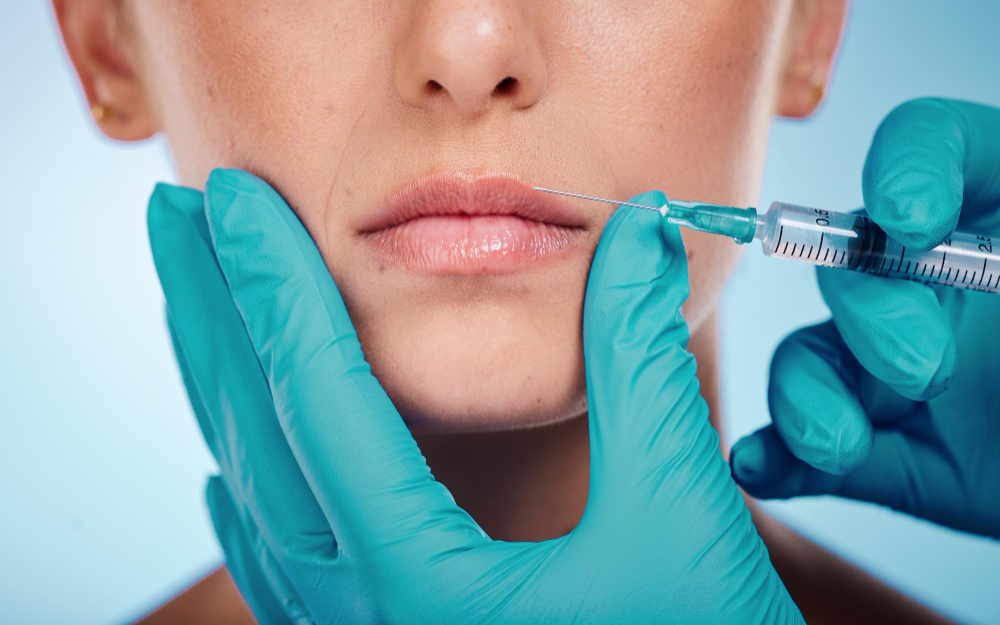
Many people consider lip enhancements to achieve a fuller, more defined pout. If you've been researching cosmetic procedures, you've likely come across the question: how long do lip fillers last? Understanding the lifespan of these treatments is essential for managing your aesthetic goals and planning your maintenance schedule effectively.
Because lip fillers are temporary treatments, knowing what to expect helps you make informed decisions. While the results are beautiful, they are not permanent. Several factors determine how long you'll enjoy your enhanced smile before it's time for a refresh.
What does this article cover?
- How long lip fillers typically last and why
- The four main factors that affect filler longevity
- Tips to make your lip filler results last longer
- How to know when it's time for a touch-up
Key Takeaways
- Lip fillers typically last 6 to 12 months, shorter than fillers in less mobile areas like the cheeks or jawline.
- Your metabolism, lifestyle habits, and the filler formulation used all affect how long results hold
- Scheduling a top-up before the filler fully dissolves helps maintain consistent results with less product.
- Daily SPF protection and staying hydrated are two of the simplest ways to extend your results.
What Are Lip Fillers and How Do They Work?
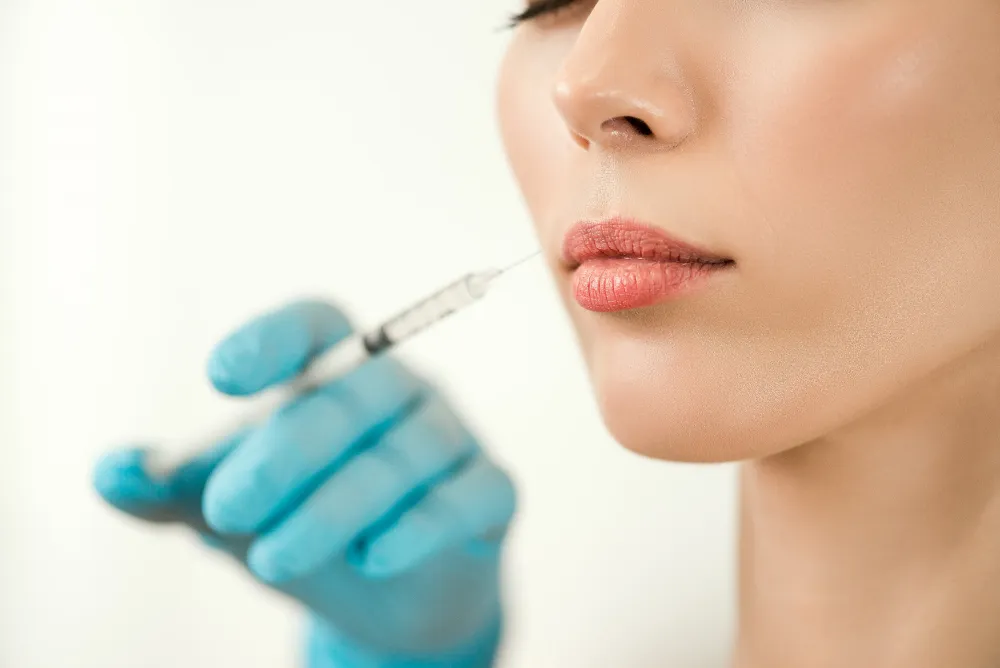
Lip fillers typically contain hyaluronic acid (HA), a naturally occurring substance found in the body that helps keep skin hydrated and plump. When injected into the lips, this gel provides immediate volume, smooths out fine lines, and defines the lip border. The body eventually breaks down the filler material naturally over time. Because the lips are a highly mobile area of the face, constantly moving during talking, eating, and expressing emotions, fillers tend to metabolize slightly faster here than in other areas, such as the cheeks.

What Factors Influence How Long Lip Fillers Last?
While filler results in other areas can last up to 18 months, lip fillers typically last 6 to 12 months. Because the lips are among the most active areas of the face, constantly moving during talking, eating, and expressing emotion, the body tends to metabolize filler here faster than in areas like the cheeks or jawline. Your personal experience may still vary depending on the following:
1. The Type of Filler Used
Different formulations have varying densities and structures. Thicker, more robust fillers are often used for structural definition and may last longer, while softer, thinner fillers designed for subtle hydration might be metabolized by the body sooner.
2. Individual Metabolism
Your body's metabolic rate is a major factor. Individuals with higher metabolisms or those who maintain a very active, high-intensity exercise routine may find that their body breaks down the filler material more quickly.
3. Lifestyle Habits
Daily habits impact the longevity of your results. Exposure to UV rays can accelerate the breakdown of hyaluronic acid. Smoking or a diet high in inflammation-causing processed foods can also affect skin health and how well the filler holds its shape.
4. Injection Technique
The skill of your provider is paramount. An experienced injector knows how to place the product at the correct depth to maximize durability while ensuring natural movement. Poor placement can lead to faster migration or uneven results.
Expert Tip: Clients who schedule a top-up before their filler fully dissolves, typically at the 6–9 month mark, tend to need less product per session and maintain more consistent results over time.
How Can You Make Your Lip Filler Results Last Longer?
While you can't stop the natural breakdown process entirely, you can adopt habits that help your results stay consistent. Staying well-hydrated is critical, as hyaluronic acid binds to water to provide volume. Using SPF lip protection daily is a simple yet effective way to protect the delicate skin and prolong your filler's lifespan.
Regular maintenance is another key aspect. Many patients find that scheduling a small touch-up before the filler has completely disappeared, often every 6 to 9 months, is more effective than waiting until the lips return to their baseline. This approach requires less product per session and keeps your results stable.
Want to keep your results looking great? Book a maintenance consultation at New Day Medspa and our team will advise on the ideal timing for your next touch-up.
When Is It Time for a Touch-Up?
How do you know when to book your next appointment? Signs that your filler is beginning to fade include:
- A noticeable decrease in lip volume
- The loss of definition in the Cupid's bow or lip border
- The reappearance of fine lines around the mouth
- Asymmetry or loss of the shape you achieved immediately after treatment
If you're ready to explore your options or maintain your current look, contact the team at New Day Medspa to schedule a consultation.
What Is the Best Approach to Long-Term Lip Filler Results?
The answer to how long lip fillers last depends on your unique physiology, the product selected, and your commitment to proper aftercare. By choosing a qualified, medically trained aesthetic provider and maintaining a healthy lifestyle, you can enjoy a natural-looking pout year-round. The best approach is to view your lip enhancements as part of a long-term beauty strategy rather than a one-time fix.
About New Day Medspa
New Day Medspa is a medically guided aesthetic practice in Jacksonville, FL, where every treatment is delivered by licensed ARNPs and PAs with specialized training in cosmetic injectables. The team takes a personalized approach to lip enhancement, factoring in your anatomy, lifestyle, and long-term goals before recommending any product or schedule. Whether you're booking your first appointment or planning a maintenance session, they'll give you honest, expert guidance at every step.
Related Articles




.svg)