
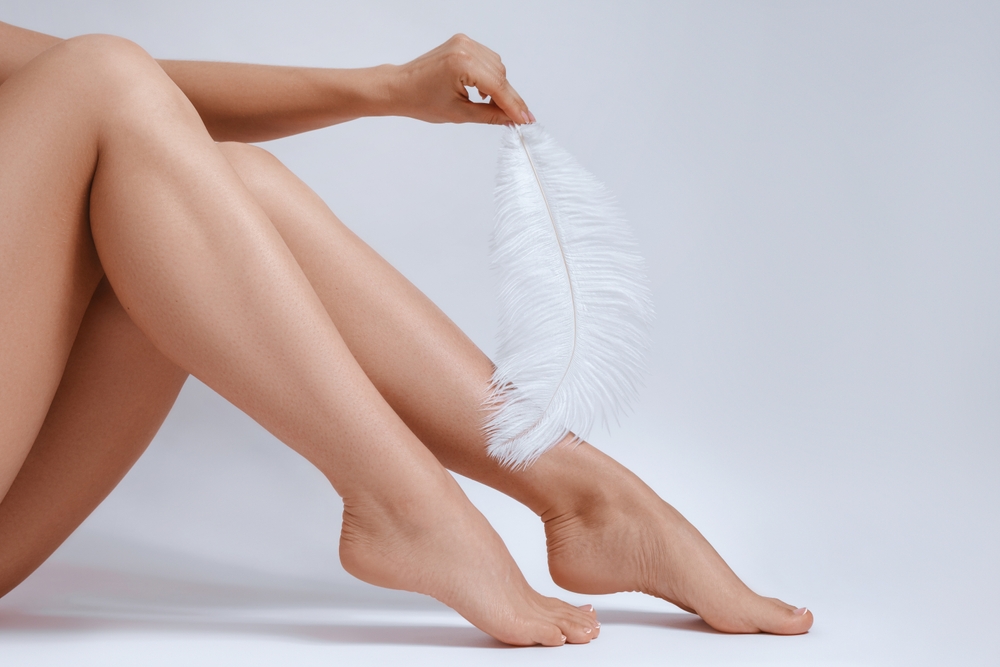
Most people research laser hair removal before they book. Far fewer think to ask what happens after laser hair removal. That gap matters. Knowing what to expect after your first laser hair removal treatment keeps you from panicking over normal shedding, misreading redness as a problem, or skipping aftercare steps that protect your results.
This guide walks you through exactly what your skin does in the hours, days, and weeks after each session, in plain terms.
What does this article cover?
- What your skin does in the first 24 to 72 hours after a session
- What to expect after your first laser hair removal treatment vs. later sessions
- How to care for treated skin between appointments
- What side effects are normal, and which ones need attention
Key takeaways
- Redness, mild swelling, and a sunburn-like sensation right after treatment are all normal reactions, not signs of damage.
- Hair does not fall out immediately. Shedding happens over 1 to 3 weeks as treated follicles push the hair out naturally.
- Skipping SPF and sun exposure between sessions is the single most common reason for stalling results or worsening side effects.
- Most people need 6 to 8 sessions spaced 4 to 6 weeks apart. Hormonal areas like the chin or bikini line may need more.
The first 24 hours: what your skin is doing right after treatment
Right after a session, the treated area often looks pink or slightly swollen. It can feel warm, tight, or similar to a mild sunburn. This is the expected inflammatory response. The laser energy reached the follicle, causing controlled thermal damage. Your skin is reacting normally.
Most of that redness and warmth clears within a few hours. For some people with sensitive skin, it can last up to 24 hours. A cool compress or fragrance-free aloe vera gel helps manage that sensation at home.
Do not apply any active ingredients to treated skin for the first 24 hours. That includes retinols, acids, and exfoliants. These disrupt the healing process.
%20(3).png)
What to expect after your first laser hair removal treatment
After your first session, you will not see dramatic hair reduction immediately. That is not a flaw in the process. Laser energy targets follicles in the active growth phase only, and not every follicle is in that phase at the same time.
Here is what typically happens in the first two weeks:
- Days 1 to 5: Skin may look slightly red or feel sensitive. Hairs in the treated area stay in place.
- Days 7 to 14: Hairs begin to surface and shed. This looks like stubble growing out, but it is actually treated hairs being pushed out by the follicle. Do not wax or pluck these. Let them shed on their own or shave if needed.
- Week 3 and beyond: Reduced density is noticeable in some spots. Regrowth, when it comes, grows back thinner and lighter.
The first session is the baseline. Results build with each appointment.
Session-by-session: what happens after laser hair removal over a full series
Hormonal areas (upper lip, chin, bikini line) respond more slowly than legs or underarms. That is normal.
Is it normal for hair to grow back after a laser?
Yes, and this confuses a lot of people. Laser hair removal does not remove hair on the day of your session. It removes the follicle's ability to regrow. The existing hair shaft has to work its way out first.
If you see hair growing in the weeks after a session, it is almost always shedding, not regrowth. Shedding often looks like new stubble coming in. The real test is what happens between weeks 4 and 6: if density is lower than before the session, the treatment worked.
True regrowth between sessions is possible. It shows up finer and lighter than the original hair. That is still progress.
What side effects are normal vs. worth a call to your provider?
Normal reactions after a session:
- Pinkness or mild redness for up to 24 hours
- Follicular swelling (small bumps around hair follicles), resolving within 24 to 48 hours
- Mild itching as shedding begins
- Slightly dry or tight skin in the treated area
Side effects worth contacting your provider about:
- Blistering or broken skin
- Persistent redness lasting more than 48 hours
- Darkening or lightening of the skin that does not fade over a few weeks
- Signs of infection (pus, significant pain, spreading warmth)
Post-inflammatory hyperpigmentation (PIH), a darkening of treated skin, can occur when settings are not calibrated to your skin tone. It is not permanent in most cases. It typically resolves within 4 to 12 weeks with proper sun protection.
Expert tip: "One of the most common aftercare mistakes is skipping SPF between sessions, especially in Florida. UV exposure after laser treatment significantly increases the risk of post-inflammatory hyperpigmentation. Use SPF 30 or higher on treated areas every day, not just on beach days. Mineral sunscreen with zinc oxide or titanium dioxide is the best option for recently treated skin."
Ready to start or pick up a series? Book a follow-up consultation at New Day Medspa in Jacksonville, FL. Licensed ARNPs and PAs review your progress, adjust settings as needed, and confirm the timing of your next session.
Book your appointment at New Day Medspa
Aftercare between sessions: the steps that protect your results
What you do between appointments shapes what happens after laser hair removal over the long term. These are the steps that matter most:
- Sunscreen daily. SPF 30 or higher on every treated area. This is non-negotiable in Jacksonville, FL, with its year-round sun.
- Shaving only. No waxing, threading, or plucking between sessions. These remove the follicle root that the laser needs to target.
- No heat for 24 to 48 hours. Skip saunas, hot tubs, and intense workouts right after treatment. Heat extends the inflammatory response.
- Gentle cleansers only. No scrubs, exfoliating acids, or retinoids on treated skin for at least 3 to 5 days.
- Moisturize. Fragrance-free lotion keeps the skin barrier intact while treated follicles shed.
Skip any one of these consistently, and you will notice it in your results by mid-series.
How do you know the treatment is actually working?
Progress is not always linear. Some areas respond faster than others. Fine hair is harder to target than coarse hair. Hormonal fluctuations slow results in certain zones.
Look for these markers that the treatment is on track:
- Shedding after each session (hairs pushing out 7 to 21 days post-treatment)
- Regrowth that is finer, lighter, or slower than your original hair
- Lower density in the treated area compared to before the series started
- Fewer ingrown hairs or razor bumps with each passing session
If you are seeing these, the process is working. Patience is part of the protocol.
About New Day Medspa
New Day Medspa is a medically guided aesthetic practice in Jacksonville, FL. All laser hair removal treatments are performed by licensed ARNPs and PAs with hands-on training in laser protocols for all skin tones and hair types. Every patient receives a complimentary consultation covering their skin type assessment, treatment area review, and a realistic session-by-session plan before anything is scheduled.
Suggested articles
- Does laser hair removal hurt? What to expect at your first session: Covers what the treatment itself feels like, how different laser types compare for sensation, and how providers manage comfort. A natural read before this aftercare guide.
- The complete guide to laser hair removal costs in Florida Breaks down pricing by treatment area and what drives cost up or down. A key decision-making resource for anyone weighing a full series.
- Laser hair removal during pregnancy: is it safe or better to wait? Answers one of the most searched adjacent questions. Useful for patients mid-series who become pregnant or are planning to.





.svg)