
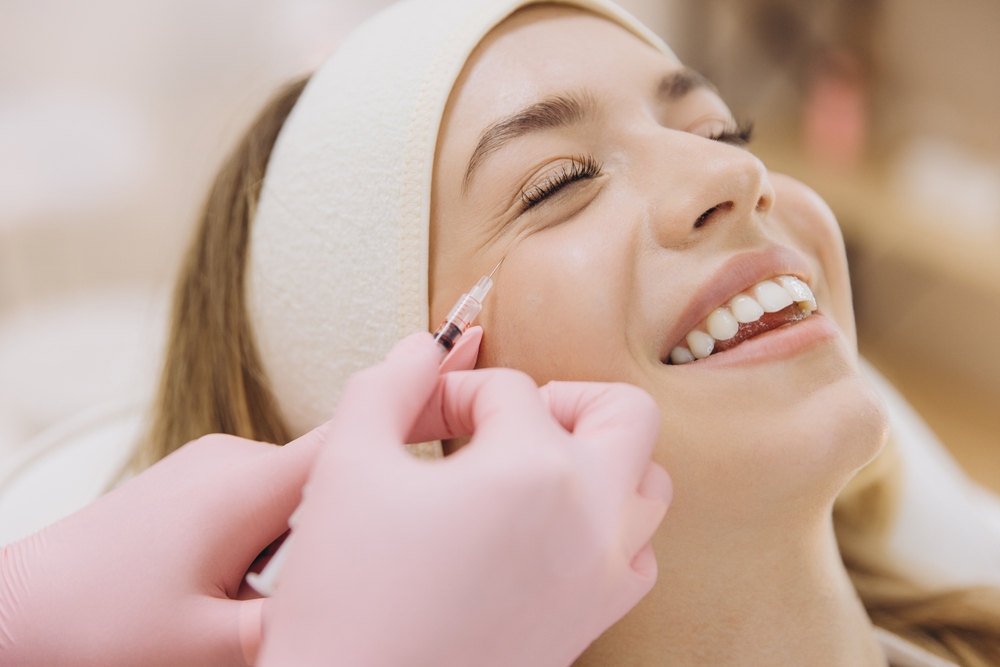
Most people research Botox before they book. Fewer research what not to do before Botox in the days leading up to their appointment. That gap is where avoidable bruising, suboptimal results, and unnecessary complications come from. The prep list is not complicated, but it does matter. This guide covers exactly what to skip, how far in advance to do so, and the reason behind each restriction, so you walk in knowing your skin is ready.
All botulinum toxin products carry an FDA Boxed Warning about the potential for toxin effects to spread beyond the injection site. At cosmetic doses, this is rare, but your provider will review this with you before treatment.
What does this article cover?
- Medications and supplements to stop before your Botox appointment
- Food, drink, and lifestyle habits that increase the risk of bruising and swelling
- Skincare and treatments to pause in the days before your session
- A complete pre-Botox prep checklist by timeframe
Key takeaways
- Blood-thinning medications and supplements, including aspirin, ibuprofen, fish oil, and vitamin E, should be stopped 7 to 10 days before your Botox appointment to reduce the risk of bruising.
- Alcohol thins the blood and increases the chance of redness and bruising. Avoid it for at least 24 hours before treatment.
- Retinol, AHAs, BHAs, and other active skincare ingredients should be paused 2 to 3 days before your session to avoid skin sensitivity at injection sites.
- Active skin treatments like laser, microneedling, and chemical peels need a 2-week gap before Botox to keep the skin barrier calm and intact.
Why Botox prep actually affects your results
Botox prep is not just about minimizing bruising, though that is a big part of it. What you put in your body and on your skin in the days before your appointment directly affects how clean the injection process goes and how well the product settles.
A patient who arrives with thinned blood from ibuprofen and a glass of wine the night before will almost always bruise more than one who followed the prep list. More bruising means more downtime and a greater chance of pressure on the treated area during recovery.
Skin that is inflamed or reactive from an aggressive facial or a retinol routine the day before is also harder to assess accurately. Your provider reads your natural muscle movement and skin quality at rest before placing any injection. Calm, clear skin makes that assessment more accurate.

What medications and supplements should be stopped before Botox
This is the most clinically important part of Botox prep. Several common over-the-counter medications and supplements thin the blood, which raises the likelihood of bruising and injection site swelling.
Blood-thinning medications, including NSAIDs like aspirin and ibuprofen, as well as anticoagulants, increase the risk at the injection site and should be avoided before treatment.
Stop these 7 to 10 days before your appointment, unless a physician has prescribed them for a medical condition. In that case, consult your prescribing provider before stopping:
- Aspirin
- Ibuprofen (Advil, Motrin)
- Naproxen (Aleve)
- Fish oil and omega-3 supplements
- Vitamin E
- St. John's Wort
- High-dose garlic supplements
- Ginkgo biloba
- Ginseng
- Flaxseed oil
Tylenol (acetaminophen) is generally fine to take before Botox as it does not affect blood clotting. If you need a pain reliever in the days leading up to your appointment, that is the better option.
What not to drink before Botox
Alcohol is a blood thinner. It also dilates blood vessels, increasing the risk of redness, flushing, and bruising around injection sites.
Avoid alcohol for at least 24 hours before your Botox appointment. Some providers recommend 48 hours if you tend to bruise easily. This applies equally to wine, beer, and spirits—the dose matters, but even moderate drinking the night before raises risk noticeably.
Caffeine is not on the strict avoidance list for most providers, but some patients find that it increases heart rate and sensitivity during the appointment. If you are prone to feeling anxious during procedures, skipping coffee the morning of your session can make the experience more comfortable.
Expert tip: "The two things that cause the most avoidable bruising are ibuprofen and alcohol, and they are also the two things patients most commonly forget to stop. If you take ibuprofen regularly for joint pain or headaches, plan your appointment timing around your cycle. Give yourself a full week off beforehand. A little pre-planning makes a bigger difference than any topical treatment after the fact."
Heading into your appointment in Jacksonville and want to confirm your prep plan? Book a complimentary consultation at New Day Medspa, where licensed ARNPs and PAs walk through your full medication and skincare history before scheduling your session.
What skincare to pause before your Botox session
Active skincare ingredients thin the skin barrier and increase sensitivity. Using them right before Botox raises the chance of irritation at injection sites and makes the skin more reactive during the appointment.
Pause these for 2 to 3 days before your session:
- Retinol and retinoids (tretinoin, Retin-A)
- AHAs (glycolic acid, lactic acid)
- BHAs (salicylic acid)
- Benzoyl peroxide
- Strong vitamin C serums
On the day of your appointment, arrive with clean skin and no makeup. Moisturizer and SPF are fine. Avoid anything that could leave residue in the injection zone.
What treatments should you avoid before Botox?
Skin procedures that cause inflammation, redness, or disruption of the skin barrier require adequate recovery time before Botox. Treating already compromised skin increases the risk of infection and makes it harder to accurately assess muscle movement.
Avoid these for at least 2 weeks before your Botox appointment:
- Chemical peels
- Laser treatments (any type)
- Microneedling
- Aggressive facials with extractions
- Radiofrequency or ultrasound treatments
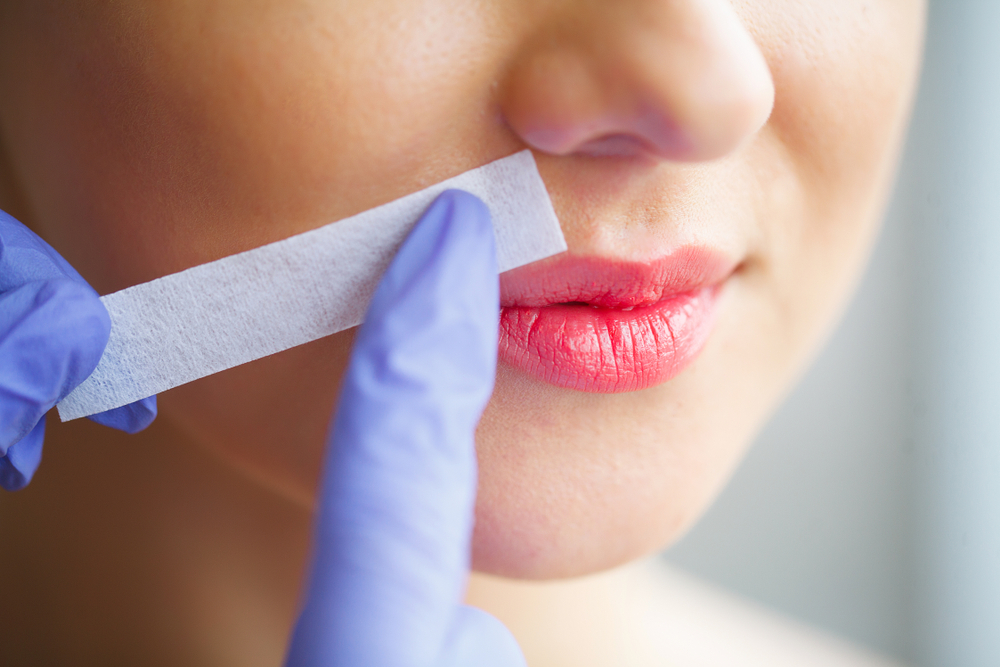
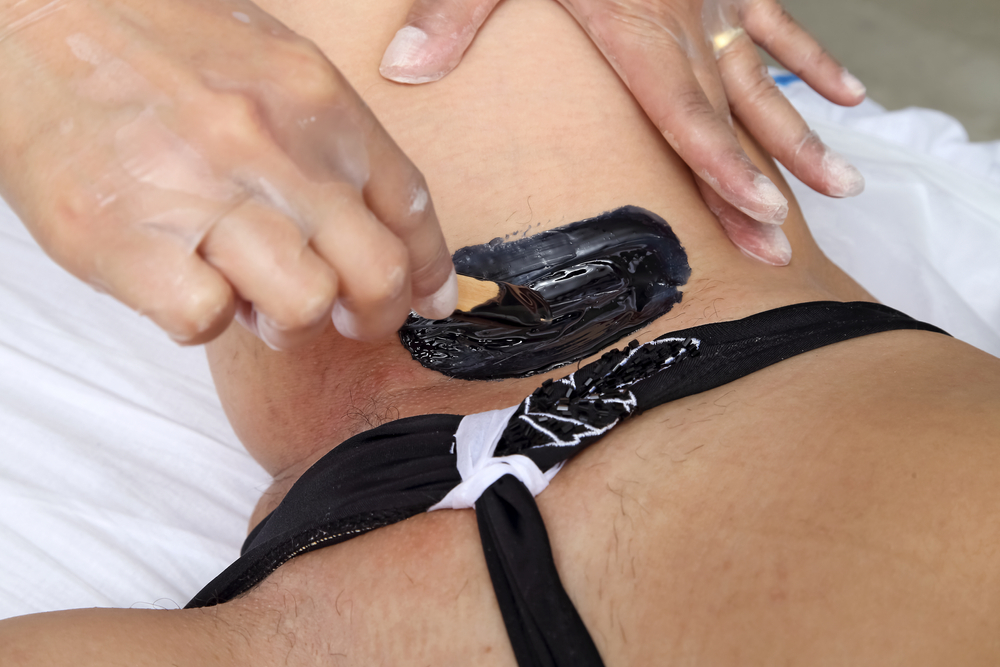
- Waxing of the face
If you have a special event and are planning both a facial treatment and Botox, schedule the facial first, with at least a two-week gap before Botox, not the other way around.
Complete the Botox prep checklist by the timeframe
What you can do before Botox
Botox prep is mostly about what not to do, but a few positive steps help too:
- Eat a light meal before your appointment to avoid lightheadedness
- Stay well hydrated in the days leading up to treatment
- Get a full night's sleep before your session
- Arrive with clean, bare skin on the treatment area
- Bring a list of your current medications and supplements
Jacksonville's heat and sun also matter here. If you have been outdoors extensively in the days leading up to your appointment and your skin is sunburned or inflamed, let your provider know. Treating irritated skin is never ideal, and your provider may recommend rescheduling if the skin barrier is significantly compromised.
About New Day Medspa
New Day Medspa is a medically guided aesthetic practice in Jacksonville. All wrinkle relaxer treatments are performed by licensed ARNPs and PAs who review your full medication list, skincare routine, and treatment history before every session. New patients receive a complimentary consultation, so the prep and planning conversation happens before any treatment is scheduled.
Suggested articles
- How long does it take for Botox to work? A day-by-day breakdown covers what to expect after your appointment, making it the natural follow-up to this pre-appointment prep guide.
- Is Botox bad for you? Separating fact from fiction addresses the safety questions that often arise alongside prep concerns, especially about bruising and side effects.
- Botox facts vs. botox myths: 5 things Jacksonville women still get wrong clears up common misconceptions that frequently affect how patients approach prep and recovery, completing the before-and-after picture.




.svg)