
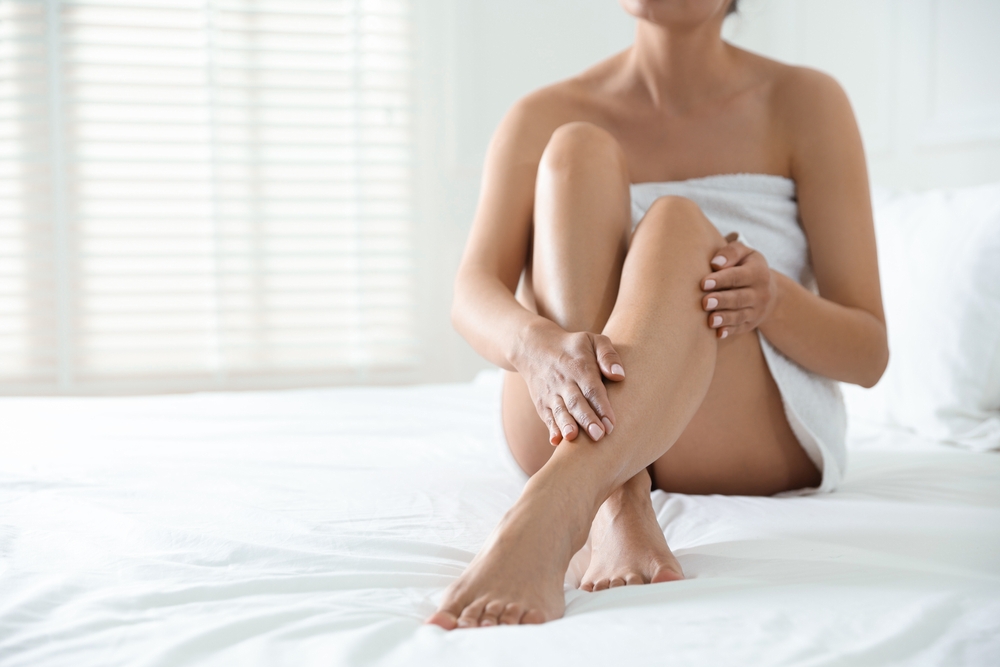
People researching laser hair removal in Jacksonville, FL, most often want to understand one thing clearly: what actually happens during the process? Not the brochure version. The real version. The laser hair removal process involves specific science, a multi-session structure, and preparation steps that directly shape your results. This guide walks through each stage so you know exactly what to expect from consultation through your final session.
What does this article cover?
- The science behind how laser hair removal targets and disables hair follicles
- Why multiple sessions are required and how the session schedule is structured
- What happens before, during, and after each appointment
- How the process differs based on skin tone, hair type, and treatment area
Key takeaways
- The laser hair removal process works through selective photothermolysis: laser light targets melanin in the hair follicle, converts to heat, and damages the follicle's ability to regrow hair.
- Multiple sessions are required because the laser only treats follicles in the active growth phase. Not all follicles are active at the same time, making 6 to 8 spaced appointments necessary for full reduction.
- Results build progressively. Most patients see a 10 to 25% reduction after one session, with 70 to 85% reduction by the end of a full series.
- Preparation before each session and care between appointments affect how efficiently the process works from start to finish.
The science behind the laser hair removal process
Laser hair removal works through a mechanism called selective photothermolysis. According to StatPearls via the National Center for Biotechnology Information, lasers for hair reduction work by selectively absorbing light pulses from melanin, the natural pigment in hair follicles, which converts that light energy into heat, causing targeted thermal damage to the follicle while leaving the surrounding skin intact.
(National Center for Biotechnology Information)
The word "selective" is key. The laser targets the melanin specifically within the follicle, not the surrounding tissue. That selectivity is what makes the process safe for skin when the right wavelength and settings are calibrated for your skin type.
The heat damage disrupts the follicle's ability to produce new hair. Follicles that receive sufficient thermal damage enter a dormant or permanently inactive state. The hair attached to that follicle sheds within 1 to 3 weeks. What grows back afterward, if anything, grows back finer and lighter.
%20(3).png)
Why does the laser hair removal process need multiple sessions?
This is the question that surprises most people first learning about the process. The answer comes down to hair growth cycles.
Hair grows in three phases: anagen (active growth), catagen (transition), and telogen (resting). The laser hair removal process only effectively targets follicles in the anagen phase, because that is when the follicle is fully connected to the hair shaft and contains the most melanin to absorb.
At any given time, only a portion of your follicles sit in the anagen phase. The rest are resting or transitioning. One session treats the active ones. The next session treats the follicles that were resting during your first appointment and have since entered the active phase.
That cycle-based reality is why 6 to 8 sessions spaced 4 to 8 weeks apart are the standard protocol, not a product of how many sessions a practice wants to sell.
Step by step: what happens at each appointment
Understanding the structure of a single session makes the full laser hair removal process less abstract.
Before the session:
- Shave the treatment area 24 hours before your appointment. Shaving allows the laser to reach the follicle directly without surface hair absorbing the energy first.
- Arrive with clean, dry skin and no lotion, deodorant, or product on the treatment area.
- Do not wax, thread, or pluck in the weeks leading up to your session. These remove the follicle root that the laser needs to target.
- Avoid sun exposure for at least 2 weeks before each appointment. Tanned or sunburned skin raises the risk of pigmentation changes.
During the session:
- Your provider places protective eyewear on you and cleans the treatment area.
- A handheld laser device delivers precise pulses of light to the skin. Most patients describe the sensation as a rubber band snap paired with mild warmth, followed by a cooling sensation from the device's integrated cooling system.
- Session length varies by area: upper lip takes 5 minutes, underarms take around 10 to 15 minutes, and full legs take 45 to 60 minutes.
Immediately after:
- Mild redness and follicular swelling around treated hair follicles are normal and typically resolve within a few hours.
- Your provider applies cooling gel or aloe if needed and reviews aftercare instructions specific to your session.
How does skin tone affect the laser hair removal process?
Skin tone determines which laser wavelength is appropriate and how settings get calibrated. This is the most clinically significant variable in the entire process.
At New Day Medspa in Jacksonville, FL, Candela technology covers the full Fitzpatrick scale. A licensed ARNP or PA assesses your skin type at your consultation and calibrates settings accordingly before any session begins.
Expert tip: "One of the most common process mistakes is shaving the morning of the appointment rather than the night before. Freshly shaved skin is more sensitive, and some patients experience more discomfort than necessary. Shaving 12 to 24 hours ahead gives the skin time to settle so the session is more comfortable, and the provider can assess your natural hair growth pattern clearly."
Not sure how many sessions your treatment area needs or whether your skin type is a good candidate? Book a complimentary consultation at New Day Medspa in Jacksonville, FL, where licensed ARNPs and PAs assess your hair type, skin tone, and treatment goals before scheduling anything.
What to do between sessions to protect the process
What you do between appointments is part of the laser hair removal process, not just aftercare.
Follow these steps consistently between sessions:
- Use SPF 30 or higher on treated areas daily. Jacksonville's year-round UV exposure increases the risk of post-inflammatory pigmentation changes in treated skin.
- Shave only between sessions. No waxing, threading, or plucking. These remove the follicle root that the next session needs to target.
- Avoid heat for 24 to 48 hours after each session: no saunas, hot tubs, or intense cardio.
- Keep the treated area moisturized with a fragrance-free lotion as follicles shed over the following 1 to 3 weeks.
Skipping sun protection between appointments is the single most common reason patients develop uneven pigmentation during a series.
How do results build across the full laser hair removal process?
Results are cumulative. Here is a realistic breakdown of what to expect session by session:
Hormonal areas, including the chin, upper lip, and bikini line, may need additional sessions beyond 8 because hormonal fluctuation can stimulate dormant follicles between appointments.
About New Day Medspa
New Day Medspa is a medically guided aesthetic practice in Jacksonville, FL. All laser hair removal treatments use Candela technology and are performed by licensed ARNPs and PAs who calibrate settings to your Fitzpatrick skin type and hair characteristics before every session. Every new patient receives a complimentary consultation that includes a full skin and hair assessment before a session schedule is confirmed.
Suggested articles
- What to do before laser hair removal covers precautions and considerations to take before approaching a laser hair removal treatment.
- Laser hair removal on dark skin: a Jacksonville provider guide goes deeper on how skin tone affects the process, laser selection, and what results look like across the Fitzpatrick scale.
- Laser hair removal packages vs. pay-per-session: which option actually saves you more? helps patients plan and budget for the full series of sessions once they understand how many appointments the process typically requires.



.svg)